
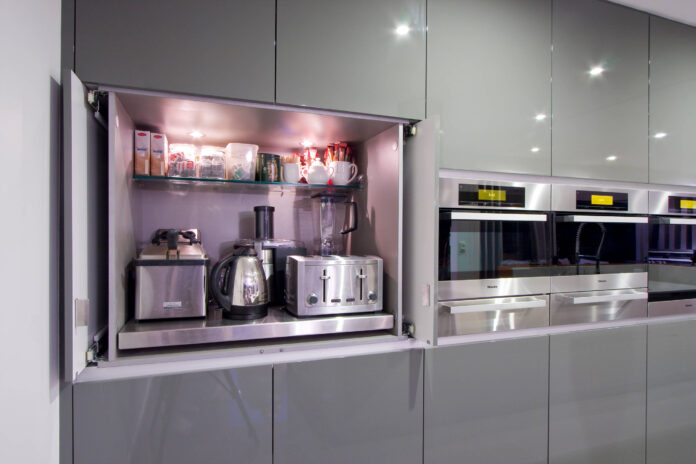

Upgrading your small kitchen appliances can improve cooking efficiency, save time, and make everyday meal preparation more enjoyable. However, replacing existing appliances without careful planning may lead to unnecessary expenses or products that don’t fit your needs. Taking the time to evaluate your requirements ensures you invest in appliances that offer lasting value and better performance.
Many homeowners compare different small kitchen appliance brands before upgrading to explore available features and product categories. Instead of choosing an appliance simply because it’s newer, consider factors such as functionality, energy efficiency, durability, and ease of maintenance to make a well-informed decision.
Evaluate Your Current Appliances
Before purchasing new appliances, assess the condition of the ones you already own. If an appliance still performs well and meets your needs, replacing it may not be necessary.
Consider the following:
- Is the appliance still working efficiently?
- Does it meet your daily cooking needs?
- Is it easy to clean and maintain?
- Are repairs more expensive than replacement?
Answering these questions can help determine whether an upgrade is worthwhile.
Consider Your Cooking Habits
Your cooking routine should guide your purchasing decisions. Think about the meals you prepare most often and the appliances you use regularly.
For example, if you frequently prepare smoothies, soups, or sauces, a high-quality blender may be a better investment than an appliance you will rarely use.
Measure Available Kitchen Space
Before upgrading, measure your countertop and storage areas to ensure new appliances will fit comfortably.
Look for appliances that:
- Have a compact footprint
- Store easily when not in use
- Offer multiple functions in one unit
- Help reduce countertop clutter
Choosing the right size improves both convenience and kitchen organization.
Look for Multi-Function Appliances
Modern appliances often perform several tasks in a single unit. Choosing versatile appliances can save space and reduce the number of devices in your kitchen.
Examples of multi-function capabilities include:
- Chopping and slicing
- Mixing and blending
- Steaming and cooking
- Heating and warming
A single appliance with multiple functions often provides greater long-term value.
Prioritize Energy Efficiency
Newer appliances are often designed to use less electricity while maintaining excellent performance. Energy-efficient models can help reduce household energy consumption over time.
Features such as automatic shut-off, efficient motors, and optimized heating systems contribute to lower energy usage.
Check Build Quality
A durable appliance is more likely to provide reliable performance for years. Before upgrading, examine the construction quality and materials used.
Pay attention to:
- Strong exterior materials
- Heat-resistant components
- Securely fitted parts
- Comfortable controls and handles
Quality construction often results in better durability and fewer maintenance issues.
Choose Easy-to-Clean Designs
Appliances that are simple to clean encourage regular maintenance and help maintain hygiene.
Look for features such as:
- Dishwasher-safe removable parts
- Smooth exterior surfaces
- Easy assembly and disassembly
- Accessible controls and components
Simple cleaning routines also help extend the appliance’s lifespan.
Review Safety Features
Modern kitchen appliances often include enhanced safety features that improve everyday use.
Important features include:
- Automatic shut-off
- Overheat protection
- Locking mechanisms
- Non-slip feet
- Cool-touch handles
These features provide greater confidence during cooking.
Read Customer Reviews
Customer reviews offer valuable insights into how appliances perform in real-world situations. Look for consistent feedback regarding reliability, durability, ease of use, and cleaning rather than relying on a single review.
Taking time to research user experiences can help you avoid disappointing purchases.
Conclusion
Upgrading your small kitchen appliances is an opportunity to improve your cooking experience, but choosing wisely is essential. By evaluating your current appliances, understanding your cooking habits, considering available space, and focusing on energy efficiency, durability, safety, and ease of maintenance, you can make informed decisions that provide lasting value. Careful planning ensures your upgraded kitchen is more efficient, organized, and ready to support your everyday cooking needs.

