
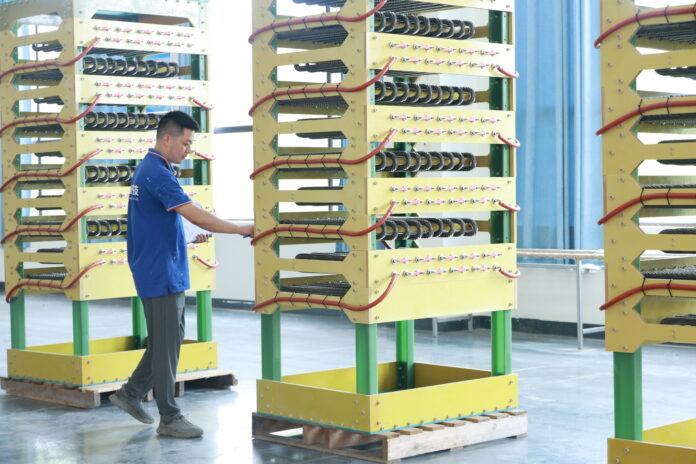

Selecting the right resistive load banks manufacturer is an important decision for businesses that rely on dependable power systems. Resistive load banks are widely used to test generators, UPS systems, batteries, alternators, and other electrical equipment by simulating real operating loads. The quality of the load bank directly influences testing accuracy, equipment reliability, and workplace safety.
With many manufacturers available in the market, it can be challenging to determine which one best meets your requirements. This guide explains the key factors to consider when choosing a resistive load banks manufacturer and how making the right choice can provide long-term value for your organization.
Understand Your Testing Requirements
Before comparing manufacturers, clearly define your testing needs. Different industries require different load bank specifications, and choosing the right equipment starts with understanding your application.
Consider factors such as:
- Voltage requirements
- Power capacity
- Frequency
- Indoor or outdoor operation
- Portable or stationary equipment
- Environmental conditions
- Future expansion plans
Having a clear understanding of your requirements makes it easier to select a manufacturer capable of delivering the right solution.
Look for Industry Experience
Experience is one of the strongest indicators of a manufacturer’s reliability. A company that has spent years designing and manufacturing resistive load banks is more likely to understand the technical challenges involved in power system testing.
An experienced resistive load banks manufacturer has typically worked with industries such as:
- Data centers
- Hospitals
- Manufacturing facilities
- Utility companies
- Renewable energy plants
- Marine applications
- Oil and gas operations
Their broad experience allows them to recommend practical solutions based on real-world applications.
Evaluate Product Quality
Product quality should always be a top priority. High-quality load banks deliver accurate testing results while maintaining consistent performance over many years.
A reliable manufacturer uses:
- Durable resistive elements
- High-grade electrical components
- Efficient cooling systems
- Strong protective enclosures
- Precision control systems
Strict quality control during manufacturing helps reduce defects and ensures dependable equipment performance.
Check Engineering Expertise
Every project has unique technical requirements. A professional resistive load banks manufacturer should have an experienced engineering team capable of designing equipment that matches your exact specifications.
Engineering support may include:
- Product selection assistance
- System design recommendations
- Custom engineering solutions
- Technical calculations
- Performance optimization
Strong engineering capabilities help ensure the equipment performs efficiently under your operating conditions.
Verify Safety Features
Electrical testing involves significant power levels, making safety an essential consideration.
Choose a manufacturer whose load banks include features such as:
- Over-temperature protection
- Emergency stop buttons
- Cooling fan monitoring
- Automatic shutdown functions
- Circuit breakers
- Fault detection systems
- Overload protection
These safety systems protect both personnel and valuable electrical equipment during testing.
Consider Customization Options
Not every application can be served by a standard product. Leading manufacturers offer customized load bank solutions tailored to specific customer requirements.
Customization options may include:
- Portable units
- Trailer-mounted systems
- Containerized load banks
- Indoor or outdoor models
- Custom voltage ratings
- Higher power capacities
- Remote monitoring systems
- Digital control interfaces
Custom-designed equipment improves operational efficiency while meeting project-specific needs.
Review Manufacturing Standards
A dependable resistive load banks manufacturer follows established manufacturing procedures to ensure consistent product quality.
Look for manufacturers that:
- Maintain strict quality inspections
- Test every unit before shipment
- Use reliable production methods
- Continuously improve manufacturing processes
Consistent manufacturing standards result in equipment that performs reliably throughout its service life.
Evaluate Technical Support
A manufacturer should provide ongoing assistance after the equipment is delivered. Good customer support ensures any technical issues are resolved quickly.
Important support services include:
- Installation guidance
- Operator training
- Maintenance recommendations
- Technical troubleshooting
- Spare parts availability
- Warranty support
Reliable after-sales service reduces downtime and extends equipment lifespan.
Compare Long-Term Value
Price should never be the only deciding factor. Instead, consider the total cost of ownership.
A higher-quality load bank may cost more initially but often provides:
- Lower maintenance costs
- Longer operating life
- Greater testing accuracy
- Reduced downtime
- Improved energy efficiency
- Better return on investment
Choosing quality over the lowest price usually delivers greater value over the equipment’s lifetime.
Research the Manufacturer’s Reputation
Customer satisfaction is an excellent indicator of a manufacturer’s reliability. Before making a decision, review the company’s reputation by evaluating customer feedback, completed projects, and industry experience.
Manufacturers with a strong reputation typically demonstrate:
- Consistent product quality
- Professional customer service
- Reliable delivery performance
- Technical expertise
- Long-term customer relationships
A proven track record provides greater confidence in your purchasing decision.
Conclusion
Choosing the right resistive load banks manufacturer requires careful evaluation of product quality, engineering expertise, safety features, customization capabilities, manufacturing standards, technical support, and overall industry experience. A trusted manufacturer provides more than just testing equipment—they become a long-term partner in maintaining reliable and efficient power systems. By investing time in selecting the right manufacturer, businesses can improve testing accuracy, reduce maintenance costs, enhance operational safety, and ensure dependable performance for years to come.

