
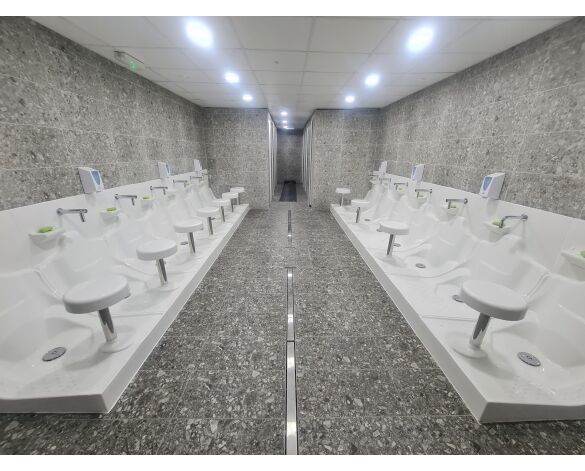

Water efficiency has become a central concern in modern architecture, especially in public and religious facilities where water is used repeatedly throughout the day. Mosques, in particular, require carefully designed ablution areas to support frequent washing rituals while minimizing waste and maintaining hygiene standards. As congregations grow and environmental awareness increases, the need for efficient water management systems has become more critical than ever.
Modern infrastructure solutions are addressing this challenge through improved engineering, smarter layouts, and advanced materials. A key example of this approach is the modern Ablution Wash Basin, which is designed to optimize water usage while maintaining comfort, cleanliness, and functionality in high-traffic mosque environments.
Why Water Efficiency Matters in Ablution Areas
Ablution involves washing specific parts of the body multiple times a day before prayers. In large mosques and public facilities, this can result in significant water consumption if systems are not designed efficiently. Poorly designed washing stations often lead to excessive flow, leakage, or uncontrolled usage.
Improving water efficiency is essential not only for environmental sustainability but also for reducing operational costs and ensuring long-term facility management.
Key reasons water efficiency matters include:
- High frequency of daily usage in mosques
- Environmental sustainability and resource conservation
- Reduction of unnecessary water wastage
- Lower utility and maintenance costs
These factors make water-efficient design a priority in modern ablution planning.
Smart Design Features for Water Conservation
Modern ablution wash basins are engineered with features that help regulate and optimize water flow. These design improvements ensure that users receive sufficient water for proper cleansing without unnecessary waste.
Engineers focus on balancing functionality with conservation, ensuring that water is used effectively at every stage of the ablution process.
Common water-saving features include:
- Controlled flow faucets to regulate water output
- Aerated water streams that reduce consumption
- Automatic shut-off systems in advanced designs
- Splash-reduction structures to prevent wastage
These features collectively contribute to significant reductions in water usage across large facilities.
Role of Basin Layout in Water Efficiency
The physical layout of ablution areas also plays a crucial role in water efficiency. Poorly planned layouts can lead to splashing, overflow, and inefficient drainage, all of which contribute to water loss.
Efficient basin arrangements ensure that water is directed properly and used only where needed. Proper spacing between users also reduces interference and unnecessary spillage.
Key layout considerations include:
- Proper alignment of washing stations with drainage systems
- Adequate spacing to prevent water crossover between users
- Sloped surfaces for controlled water flow
- Efficient positioning of taps and drainage outlets
These design principles help maintain both cleanliness and conservation.
Material Innovation and Its Impact on Efficiency
Material selection is another important factor in improving water efficiency in ablution wash basin systems. Modern solid surface materials are widely used due to their durability, smooth finish, and resistance to water absorption.
These materials help ensure that water flows efficiently across surfaces without being absorbed or wasted. They also make cleaning easier, reducing the need for excessive water usage during maintenance.
Material benefits include:
- Non-porous surfaces that prevent water retention
- Smooth finishes that improve flow efficiency
- High durability under continuous water exposure
- Reduced cleaning water requirements
These characteristics contribute directly to improved sustainability in mosque facilities.
Hygiene and Environmental Sustainability
Water efficiency and hygiene are closely connected in ablution wash basin design. Efficient water use not only conserves resources but also helps maintain cleaner and safer environments.
Controlled water flow reduces splashing and pooling, which can lead to slippery surfaces and hygiene concerns. At the same time, efficient drainage systems ensure that used water is quickly removed from the area.
Hygiene and sustainability benefits include:
- Reduced water stagnation and contamination risks
- Cleaner and safer flooring conditions
- Lower environmental impact through conservation
- Improved long-term facility hygiene
These advantages make water-efficient systems essential for modern mosque infrastructure.
Economic Benefits for Large Facilities
Water-efficient ablution systems also provide significant economic benefits, especially for large mosques and public prayer facilities that serve thousands of users daily. Reducing water consumption directly lowers utility bills and operational expenses.
Over time, these savings can be substantial, making efficient basin systems a cost-effective investment for facility managers.
Economic advantages include:
- Lower monthly water bills
- Reduced maintenance and cleaning costs
- Longer lifespan of plumbing systems
- Improved operational efficiency
These benefits make water-efficient designs attractive for both new constructions and renovations.
Global Demand for Efficient Ablution Solutions
As mosque construction continues to expand globally, particularly in regions such as the Middle East, Southeast Asia, and Africa, demand for water-efficient ablution systems is increasing. Developers are prioritizing sustainable and cost-effective solutions that meet modern environmental standards.
For manufacturers and exporters, this creates strong opportunities in the international market. Water-efficient Ablution Wash Basin systems are increasingly seen as essential components of modern religious infrastructure.
Effective strategies for market growth include:
- SEO-focused content targeting mosque construction and water-saving systems
- Digital marketing campaigns aimed at architects and developers
- Participation in international construction and Islamic architecture exhibitions
- Partnerships with global distributors and infrastructure contractors
By emphasizing sustainability and efficiency, businesses can strengthen their global competitiveness.
Conclusion
Water efficiency is a fundamental aspect of modern Ablution Wash Basin design, directly impacting sustainability, hygiene, and operational costs. Through smart engineering, optimized layouts, and advanced materials, modern systems significantly reduce water consumption while maintaining user comfort and functionality.
As global demand for efficient mosque infrastructure continues to rise, water-saving ablution solutions will play a key role in shaping the future of religious facility design. Manufacturers and exporters who focus on sustainability, innovation, and performance are well positioned to succeed in this growing international market.

