
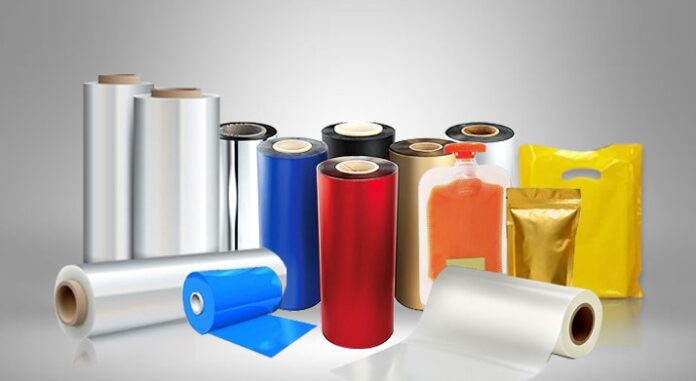

BOPP (Biaxially Oriented Polypropylene) film is a core material in the flexible packaging industry, widely used for food packaging, labeling, lamination, and industrial applications. Its popularity comes from its balance of strength, clarity, and cost efficiency, making it suitable for both small-scale and large-scale packaging operations.
As global demand continues to rise, production capacity and scalability have become critical factors in evaluating suppliers. Companies must ensure that their packaging partners can consistently meet increasing order volumes without compromising quality or delivery timelines. This is why many buyers carefully assess different BOPP film manufacturers based on their ability to scale production efficiently while maintaining stable performance standards.
Importance of Production Capacity in the BOPP Industry
Production capacity determines how much BOPP film a manufacturer can produce within a given timeframe. It directly impacts supply stability, pricing, and lead times.
High production capacity is important because it ensures:
- Reliable supply for large-scale packaging needs
- Faster order fulfillment and shorter lead times
- Ability to handle seasonal demand fluctuations
- Stability in long-term supply agreements
Manufacturers with limited capacity may struggle to meet large or urgent orders, leading to supply chain disruptions.
Advanced Manufacturing Infrastructure
Scalability in BOPP film production depends heavily on the quality and efficiency of manufacturing infrastructure. Modern facilities are designed to support continuous, high-speed production with minimal downtime.
Key infrastructure elements include:
- High-speed biaxial orientation lines
- Automated extrusion systems
- Real-time quality monitoring technology
- Efficient material handling and storage systems
These systems enable manufacturers to increase output without sacrificing film quality or consistency.
Role of Automation in Scaling Production
Automation plays a major role in improving production efficiency and scalability. By reducing manual intervention, manufacturers can maintain consistent quality while increasing output.
Benefits of automation include:
- Reduced human error in production processes
- Continuous monitoring of film thickness and quality
- Faster adjustment to production parameters
- Improved operational efficiency and cost control
Automated systems allow manufacturers to respond quickly to market demand changes while maintaining product reliability.
Flexibility in Production Planning
Scalable manufacturers must also be flexible in production planning. This allows them to adjust output based on customer demand, raw material availability, and market conditions.
Flexible production systems enable:
- Quick switching between product types and specifications
- Efficient handling of custom orders
- Better inventory management and forecasting
- Reduced downtime between production runs
This flexibility is essential for serving diverse industries with varying packaging requirements.
Raw Material Supply and Capacity Stability
A stable supply of raw materials is essential for maintaining consistent production capacity. Since BOPP film is derived from polypropylene, fluctuations in resin availability can impact output levels.
Manufacturers ensure stability through:
- Long-term supplier partnerships
- Strategic raw material inventory management
- Diversified sourcing strategies
- Bulk procurement planning
These practices help reduce production interruptions and maintain steady supply chains.
Scalability and Global Demand Growth
The global demand for BOPP film continues to grow, driven by expanding food packaging, e-commerce, and consumer goods industries. Scalable production systems are essential for meeting this rising demand.
Growth-driven scalability challenges include:
- Increasing demand for sustainable packaging solutions
- Rising requirement for customized film types
- Expansion into new international markets
- Need for faster delivery cycles
Manufacturers that can scale efficiently are better positioned to compete in global markets.
Quality Control at High Production Volumes
Maintaining quality while scaling production is one of the biggest challenges in the industry. Advanced manufacturers use integrated quality systems to ensure consistency across all output levels.
Key quality control measures include:
- Automated defect detection systems
- Continuous thickness and clarity monitoring
- Regular laboratory testing of mechanical properties
- Standardized production protocols across all lines
These systems ensure that increased production does not compromise product performance.
Conclusion
Production capacity and scalability are critical factors in the BOPP film industry, directly influencing supply reliability, cost efficiency, and market competitiveness. Manufacturers with advanced infrastructure, automation, and strong raw material management systems are better equipped to meet growing global demand.
As the packaging industry continues to expand, the ability to scale efficiently while maintaining consistent quality will remain a key differentiator among suppliers. For businesses, selecting the right manufacturing partner ensures long-term stability and dependable packaging performance across all applications.

