
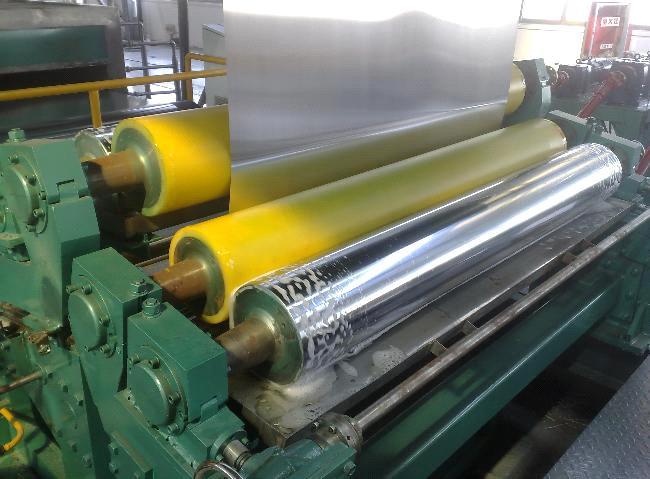

In modern metal processing industries, sustainability has become a central focus alongside productivity and product quality. Manufacturers are increasingly required to reduce energy consumption, minimize emissions, and improve resource efficiency while maintaining high-performance output. This shift has driven significant innovation in surface treatment technologies for steel and aluminum products.
A modern colour coating line is an advanced continuous processing system that integrates cleaning, pretreatment, coating, curing, and recoiling into a single automated workflow. Recent innovations in this technology are helping manufacturers achieve more sustainable production by improving energy efficiency, reducing waste, and supporting environmentally friendly coating processes.
The Shift Toward Sustainable Metal Processing
Traditional metal coating methods often consumed large amounts of energy and generated significant waste. As environmental regulations become stricter, industries are transitioning toward cleaner and more efficient production systems.
Sustainable metal processing focuses on:
- Reducing greenhouse gas emissions
- Minimizing chemical waste and water consumption
- Improving energy efficiency across production stages
- Using environmentally friendly coating materials
These goals have accelerated the development of modern coating line technologies.
Energy-Efficient Curing Technologies
One of the most energy-intensive stages in a coating system is the curing oven. Innovations in this area have significantly reduced energy consumption while maintaining coating quality.
Modern improvements include:
- Advanced heat recovery systems that reuse exhaust energy
- High-efficiency burners with precise temperature control
- Improved insulation materials to reduce heat loss
- Zoning systems that adjust temperature based on production needs
These upgrades help reduce operational costs and environmental impact simultaneously.
Eco-Friendly Coating Materials
Material innovation is another key factor in sustainable manufacturing. Traditional solvent-based coatings are being replaced or improved to reduce emissions and environmental risks.
Common eco-friendly alternatives include:
- Water-based coatings with low volatile organic compound (VOC) emissions
- High-solid coatings that reduce solvent usage
- Powder-based hybrid systems for specific applications
- Recyclable coating formulations with lower environmental impact
These materials support cleaner production while maintaining high performance standards.
Water and Waste Management Improvements
Pretreatment processes in coating lines generate wastewater that must be carefully managed. Modern systems are designed to reduce water consumption and improve recycling efficiency.
Key innovations include:
- Closed-loop water recycling systems
- Advanced filtration and chemical recovery technologies
- Reduced chemical usage through optimized pretreatment processes
- Automated monitoring of wastewater quality
These improvements significantly reduce environmental impact and resource consumption.
Automation for Resource Optimization
Automation plays a crucial role in sustainable manufacturing by improving process control and reducing waste. Smart systems ensure that resources are used efficiently throughout the production cycle.
Benefits of automation include:
- Precise control of coating thickness to reduce material waste
- Real-time monitoring of energy and resource usage
- Early detection of process inefficiencies
- Reduced human error and operational inconsistencies
By optimizing production parameters, automation helps minimize unnecessary consumption.
Digital Monitoring and Smart Manufacturing
Digital technologies are transforming coating lines into intelligent manufacturing systems. Sensors and data analytics provide real-time insights into production performance.
Smart manufacturing features include:
- Predictive maintenance to reduce downtime
- Energy consumption tracking and optimization
- Digital dashboards for process visualization
- AI-based adjustments for improved efficiency
These technologies support continuous improvement and long-term sustainability.
Waste Reduction and Circular Production
Sustainable manufacturing also focuses on reducing waste and promoting recycling within production systems. Modern coating lines are designed to minimize material loss and support circular production models.
Strategies include:
- Recycling metal scrap and offcuts
- Recovering unused coating materials
- Reducing reject rates through quality control systems
- Reusing treated water and process chemicals where possible
These practices contribute to more efficient resource utilization.
Conclusion
Sustainability is reshaping the future of metal processing industries, driving innovation in energy efficiency, material usage, and digital control systems. Modern advancements in coating technology are helping manufacturers meet environmental standards while maintaining high production performance. A modern colour coating line plays a central role in this transformation, offering efficient, eco-friendly, and technologically advanced solutions that support sustainable manufacturing practices in the global metal industry.

