
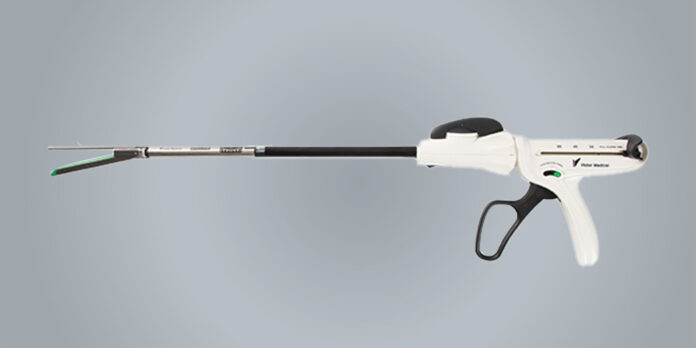

Endoscopic linear cutter staplers are essential surgical instruments used in minimally invasive procedures to simultaneously cut and staple tissues with high precision. They play a vital role in improving surgical efficiency, reducing operation time, and enhancing patient recovery outcomes. In modern healthcare, these devices are widely adopted for their ability to deliver consistent results while minimizing complications during complex surgeries.
Choosing an endoscopic linear cutter stapler requires careful evaluation of performance quality, safety standards, and ergonomic design. A reliable device ensures smooth operation, accurate tissue handling, and reduced surgical risks, making it an indispensable tool in advanced surgical environments.
Understanding the Role of Endoscopic Linear Cutter Staplers
Endoscopic linear cutter staplers are designed to perform two critical actions in a single step: cutting tissue and placing multiple rows of staples simultaneously. This dual functionality allows surgeons to work more efficiently and with greater precision during minimally invasive procedures.
These instruments are widely used in gastrointestinal, thoracic, and bariatric surgeries, where accuracy and tissue control are essential. By reducing the need for manual suturing, they significantly decrease surgical time and improve overall procedural outcomes.
Key Features of a High-Quality Surgical Stapler
Selecting the right stapling device depends on understanding the essential features that define its performance and reliability.
Consistent Staple Formation
A high-quality stapler ensures uniform staple placement, which is critical for preventing leaks, bleeding, and other post-operative complications. Consistency directly contributes to patient safety and successful healing.
Smooth Cutting Mechanism
Precision cutting reduces unnecessary tissue damage and improves recovery time. Advanced devices are engineered to deliver clean and controlled cuts even in delicate surgical areas.
Ergonomic Handling and Control
Modern staplers are designed with surgeon comfort in mind. Ergonomic grips and intuitive controls help reduce fatigue and improve accuracy during long procedures.
Flexible Articulation System
Articulation allows surgeons to navigate complex anatomical spaces with ease. This flexibility is particularly important in minimally invasive surgeries where access is limited.
Benefits of Using Endoscopic Linear Cutter Staplers
These surgical instruments offer several important advantages that contribute to improved healthcare outcomes.
Faster Surgical Procedures
By combining stapling and cutting into one motion, these devices significantly reduce operation time, improving efficiency in the operating room.
Improved Patient Safety
Reliable stapling reduces the risk of complications such as leakage or bleeding, ensuring safer surgical outcomes and faster recovery periods.
Higher Precision in Surgery
Advanced designs allow surgeons to perform delicate procedures with improved accuracy and control, even in challenging conditions.
Reduced Post-Surgical Recovery Time
Minimally invasive techniques result in smaller incisions, less pain, and faster healing, enhancing the overall patient experience.
Applications in Modern Surgical Practices
Endoscopic linear cutter staplers are widely used across multiple medical disciplines due to their versatility and efficiency.
Gastrointestinal Procedures
These devices are commonly used in stomach and intestinal surgeries, where secure tissue closure is essential for successful outcomes.
Thoracic Surgeries
In lung and chest operations, staplers ensure precise cutting and sealing of tissues, minimizing risks and complications.
Bariatric Surgeries
Weight-loss procedures require accurate tissue division, making these staplers an essential part of surgical protocols.
General Surgery
From routine operations to complex interventions, these tools provide reliable performance across various surgical scenarios.
Factors to Consider When Choosing a Stapler
Selecting the right surgical stapler involves evaluating multiple critical aspects to ensure optimal performance.
Material Strength and Durability
High-quality materials ensure long-lasting performance and consistent reliability during repeated surgical use.
Compatibility with Surgical Requirements
Different procedures require different stapler specifications. Choosing the correct type ensures better surgical outcomes.
Built-In Safety Features
Modern staplers are equipped with mechanisms that prevent misfires and ensure accurate staple formation, improving overall safety.
Manufacturer Reliability
A trusted manufacturer provides consistent product quality along with technical support and training for medical professionals.
Technological Innovations in Surgical Stapling
The field of surgical stapling has evolved significantly with advancements in medical technology.
Powered Stapling Systems
Powered devices reduce manual effort and allow for smoother, more controlled surgical operations.
Intelligent Feedback Technology
Some advanced staplers offer real-time feedback on tissue compression and staple formation, enhancing surgical precision.
Enhanced Material Engineering
Modern materials improve durability and ensure consistent performance even in demanding surgical environments.
Importance of Quality in Surgical Instruments
In healthcare, quality directly affects patient outcomes. Poor-quality instruments can lead to complications, longer recovery times, and increased medical costs.
High-quality staplers ensure consistent performance, reducing risks and improving surgical success rates. Investing in reliable tools is essential for maintaining high standards in patient care and medical practice.
Future Trends in Endoscopic Stapling Technology
The future of surgical staplers is shaped by continuous innovation and evolving healthcare needs. Key trends include:
- Integration with robotic-assisted surgical systems
- Development of smart staplers with real-time monitoring
- Improved ergonomic and lightweight designs
- Sustainable manufacturing and eco-friendly materials
These advancements are transforming surgical practices and setting new benchmarks in medical technology.
Conclusion
Endoscopic linear cutter staplers have become a cornerstone of modern surgical procedures, offering precision, efficiency, and reliability. Choosing the right device requires careful attention to quality, features, and manufacturer credibility.
By investing in advanced stapling technology, healthcare providers can significantly improve surgical outcomes, enhance patient safety, and optimize clinical efficiency. As medical innovation continues to progress, these instruments will remain essential in delivering high-quality surgical care.

