
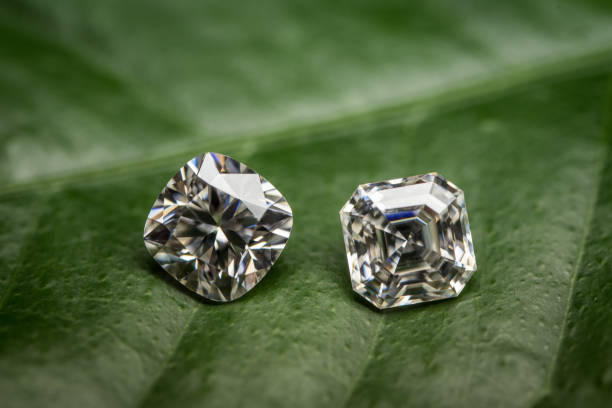

Lab created diamonds are rapidly gaining attention in the jewelry market as a modern and practical alternative to natural diamonds. With advancements in technology, these diamonds now offer the same beauty, durability, and brilliance as mined diamonds. This guide covers everything you need to know about lab created diamonds, from how they are made to why they are becoming a preferred choice for many buyers.
What Are Lab Created Diamonds?
Lab created diamonds, also known as lab grown diamonds, are real diamonds produced in a controlled laboratory environment. They have the same chemical composition and crystal structure as natural diamonds, which means they look identical and perform the same in terms of durability and sparkle. The only difference is their origin, as lab created diamonds are formed using advanced technological processes instead of natural geological conditions.
How Are Lab Created Diamonds Made?
Lab created diamonds are produced using two main methods. The first is High Pressure High Temperature, where carbon is exposed to extreme pressure and heat to mimic the natural diamond formation process. The second method is Chemical Vapor Deposition, which involves placing a diamond seed in a chamber filled with carbon-rich gases. These gases are heated, allowing carbon atoms to bond and gradually form a diamond layer by layer.
Why Are Lab Created Diamonds Becoming Popular?
One of the main reasons behind the growing popularity of lab created diamonds is affordability. They are generally priced lower than natural diamonds, making them accessible to a wider audience. Additionally, they are considered a more environmentally friendly option since they do not require large-scale mining operations.
Another factor is consistency in quality. Because lab created diamonds are produced in controlled conditions, they often have fewer inclusions and better clarity compared to natural diamonds. This makes them highly appealing for both personal use and commercial purposes.
Are Lab Created Diamonds Real Diamonds?
Yes, lab created diamonds are real diamonds. They are not imitations or substitutes like cubic zirconia or moissanite. Their physical, chemical, and optical properties are identical to those of natural diamonds. Even professional gemologists require specialized equipment to differentiate between the two.
Cost Comparison with Natural Diamonds
Lab created diamonds are typically 30 to 50 percent more affordable than natural diamonds of similar size and quality. This cost advantage makes them an excellent option for buyers who want high-quality diamonds without exceeding their budget. For businesses, exploring reliable sources for lab grown diamonds wholesale can provide long-term cost savings while ensuring consistent supply and quality.
Durability and Longevity
In terms of durability, lab created diamonds are just as strong as natural diamonds. They rank 10 on the Mohs hardness scale, making them suitable for everyday wear. Whether used in engagement rings or fine jewelry, they maintain their brilliance and structure over time.
Ethical and Environmental Benefits
Lab created diamonds are often considered a more ethical choice because they eliminate concerns related to mining practices. They also have a lower environmental impact, as their production requires fewer natural resources compared to traditional diamond mining.
Who Should Consider Lab Created Diamonds?
Lab created diamonds are ideal for buyers who are looking for a balance between quality and affordability. They are also suitable for environmentally conscious consumers and businesses that require diamonds in larger quantities. Many jewelry brands and retailers are now shifting towards lab created diamonds to meet modern consumer demands.
Final Thoughts
Lab created diamonds are transforming the jewelry industry by offering a high-quality, cost-effective, and sustainable alternative to natural diamonds. With identical properties and increasing availability, they have become a practical choice for both individuals and businesses. Understanding their benefits, production process, and value can help you make a well-informed decision when purchasing your next diamond.

