
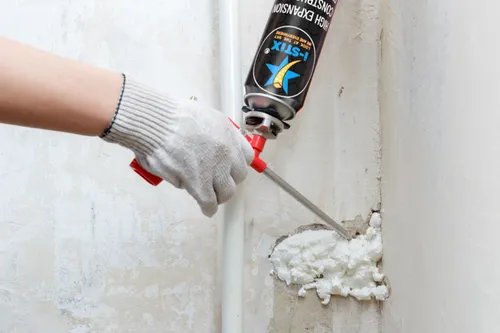

Maintaining a comfortable indoor temperature while reducing energy costs is a top priority in both homes and offices. One highly effective solution is the use of foam sealant. This versatile material not only seals gaps and cracks but also plays a crucial role in enhancing thermal insulation, improving energy efficiency, and ensuring long-term comfort.
Understanding Foam Sealant
Foam sealant is a polyurethane-based expanding material designed to fill gaps, cracks, and cavities in walls, ceilings, floors, and around doors and windows. Its expanding nature allows it to create airtight and moisture-resistant seals on a variety of surfaces, including wood, metal, concrete, and brick. For those seeking reliable and efficient insulation solutions, foam sealant offers a range of formulations suitable for indoor, outdoor, and specialized applications, ensuring consistent performance and energy savings.
How Foam Sealant Improves Thermal Insulation
1. Sealing Air Leaks
Air leaks are a major contributor to heat loss in winter and heat gain in summer. Even small gaps around doors, windows, and walls can significantly reduce indoor comfort. Foam sealant expands to fill these gaps completely, creating an airtight barrier that prevents unwanted air exchange. By stopping drafts, it helps maintain a consistent indoor temperature and reduces reliance on heating and cooling systems.
2. Filling Cavities and Gaps
Foam sealant is ideal for filling cavities in walls, ceilings, and floors. Unlike traditional insulation materials that may leave voids, foam sealant expands to conform to the shape of the space, ensuring complete coverage. This ability to fill irregular gaps enhances the overall thermal performance of the building envelope, reducing energy loss.
3. Enhancing Wall and Roof Insulation
In addition to sealing, foam sealant acts as an insulating layer within walls, ceilings, and roof cavities. Its closed-cell structure traps air, which reduces heat transfer through conduction. This dual function of sealing and insulation provides an effective barrier against temperature fluctuations, contributing to lower energy bills and improved comfort throughout the year.
4. Reducing Thermal Bridging
Thermal bridging occurs when heat bypasses insulation through structural elements such as studs, joists, or metal frames. Foam sealant can be applied around these elements to minimize heat transfer, reducing cold spots in winter and hot spots in summer. This improves the overall energy efficiency of the building and enhances the effectiveness of other insulation materials.
5. Improving HVAC Efficiency
By reducing air leaks and enhancing insulation, foam sealant lessens the workload on heating, ventilation, and air conditioning (HVAC) systems. With fewer drafts and better temperature retention, HVAC systems operate more efficiently, consuming less energy and prolonging equipment lifespan. This contributes to both cost savings and environmental sustainability.
Additional Benefits of Foam Sealant in Thermal Insulation
- Moisture Resistance: Foam sealant provides a barrier against water infiltration, preventing insulation from becoming damp and losing effectiveness.
- Noise Reduction: Its dense structure also offers acoustic insulation, reducing sound transfer between rooms or from external sources.
- Long-Lasting Performance: Once cured, foam sealant maintains its shape and insulating properties over time, resisting shrinkage and degradation.
- Versatility: Suitable for multiple surfaces and both indoor and outdoor applications, foam sealant is adaptable to various construction needs.
Tips for Optimal Application
- Ensure surfaces are clean and dry to maximize adhesion and performance.
- Apply foam gradually in deep or wide gaps to control expansion and prevent overflow.
- Use protective gloves and eye protection to prevent skin and eye contact with uncured foam.
- Allow the foam to fully cure before trimming or finishing surfaces.
- Select the appropriate foam formulation based on indoor, outdoor, or specific environmental requirements.
Conclusion
Foam sealant is an essential material for enhancing thermal insulation in homes and offices. Its ability to seal air leaks, fill cavities, reduce thermal bridging, and improve HVAC efficiency makes it a highly effective tool for energy conservation and indoor comfort. In addition to insulation, foam sealant provides moisture resistance, noise reduction, and long-lasting durability. By using high-quality foam sealant and applying it correctly, property owners can achieve superior thermal performance, lower energy costs, and a more comfortable and sustainable living or working environment.

