
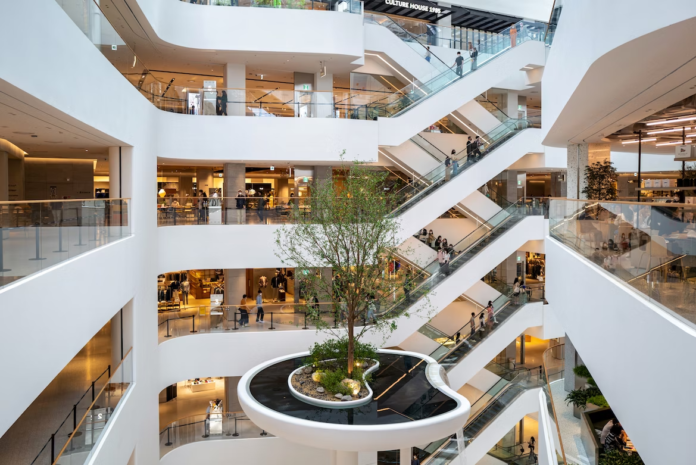

Following the establishment of utility stores by the government, the idea of department stores gained traction in Pakistan in the late 1980s.
With a responsibility to offer government-subsidized grocery items, Utility Stores Corporation now operates 5,491 retail locations. Canteen Department Store (CSD), which has 108 locations throughout Pakistan, has adopted the same idea.
A “self-serving store” was created as a result, and patrons began navigating a small labyrinth of grocery shelves. After making their selections, they made their way to a cashier via the maze.
Due to the quick growth of this phenomena, there are currently thousands of outlets in major cities like Lahore, Rawalpindi, Multan, Faisalabad, and Gujranwala, and the number is increasing daily.
Department Store in a Mall: A Quick Overview
A department store is a type of retail establishment that specializes in meeting the personal and home-related product needs of its customers.
It also provides a variety of commodities in all product categories at varying rates. Customers can purchase a vast array of goods from department stores all at one location.
Customers may get all the things in one location when they visit a department store. They are not required to travel from one location to another. Since it offers all of the essential goods in one location, it is currently becoming one of Pakistan’s most successful business endeavors.
A Grocery-Anchored Shopping Center: What Is It?
Grocery-anchored shopping centers, such as Kuwait Mall Bahria Town Lahore are those where a grocery store takes up the majority of the space. Smaller tenants that stand to gain from the clients who shop at the grocery shops surround the anchors.
Because they draw customers to retail establishments, grocery-anchored shopping malls are well-liked investments. Due to their success, developers and real estate investors prioritize these kinds of shopping complexes.
Fitness facilities, dining establishments, movie theaters, and other establishments that provide a distinctive experience are additional shops that draw clients.
The community as a whole can gain from these businesses’ success if retail malls’ tenants are carefully chosen.
Discover the various forms of experience and necessity-based businesses, as well as how they succeed in the current retail environment.
Department Store Types
Generally speaking, each department focuses on a certain product area, such as apparel, electronics, food, or home furnishings.
The idea behind a department store is to save customers time and effort by allowing them to conveniently find a variety of things in one place.
· Discount shops
Retailers like Walmart that sell goods at a discount to the market price are known as markdown department stores.
They offer a wide variety of divisions and restrictions on purchasing several products.
· Discount Shops
These department stores are frequently owned by a single brand or a collection of product names.
Because they buy directly from the manufacturer, clients can acquire limited results of a certain brand in these outlets. These retailers may carry overproduction items, end-of-season items, and other stuff.
· Outlet Shops
These are smaller department stores that exclusively carry products from a single producer brand. Compared to other department stores, they carry a wider range of products from a single brand.
Compared to a normal department shop that also carries Nike products, a Nike discount store will have a wider selection of Nike merchandise. These storage can be used to achieve even greater restrictions.
· Department Stores For Juniors
The opulent pricing range that these tiny department shops offer is not available in regular retailers.
The various sections in these establishments primarily operate independently and offer free checkout. In any case, the board and one association still control it.
Benefits of Dedicated Department Store Area in A Mall
Both the retail sector and customers can profit greatly from department stores. Here are a few main benefits:
Economies of Bulk Purchases
Department stores benefit from economies in pricing, transportation costs, trade discounts, and other areas when they buy goods in bulk.
Removal of Middlemen
A department store handles both warehousing and selling. They own their own warehouses and purchase directly from manufacturers. Consequently, they aid in the removal of unwanted intermediaries between producers and consumers.
Offering Variety of Products
A department store offers a range of products in one location. Customers don’t have to travel to several locations to make purchases because it meets all of their demands in one location.
Attractive Sales Services
A department shop works hard to give its patrons the greatest services possible. Its services include delivering items to homes, fulfilling phone orders, granting credit, and providing facilities like restrooms, phone booths, eateries, hairdressers, and more.
Convenience of Choice
From a wide range of products of various brands and quality, buyers can choose the items that best suit their preferences.
Department stores enable consumers to buy nearly everything they need in one place by providing a large variety of products under one roof. Customers can now complete their shopping without rushing from one place to another.
Centralized Purchasing
Their purchasing processes are centralized. While sales are dispersed throughout multiple departments in a department store, all purchases are handled centrally by the purchase department.
One-Stop Buying
One major benefit is being able to shop for a variety of things in one location. In a single visit, customers can buy gadgets, household items, clothes, and groceries. Families and busy persons especially benefit from this convenience.
Economy in Advertising
To save money on advertising, many department shops run extensive advertising campaigns. One department’s advertisement simultaneously functions as the other department’s advertisement.
These department stores can benefit from the advantages of big-scale operations, especially when it comes to purchasing items, because they are set up on a vast scale.
Sales Promotion
Department shops have the financial means to invest heavily in advertising and other promotional initiatives that boost sales.
Community Impact
Grocery-anchored shopping malls offer greater value to the local community in addition to being convenient for their patrons.
The communities they serve benefit greatly from a shopping center, such as Kuwait Mall Bahria Town, that has a well-known supermarket, experiential shops, and other types of retail that appeal to a wide range of consumers.
Everyone engaged will gain from having a place that serves the community as a whole. Whether they want to buy their weekly groceries, watch a new movie, or eat at their favorite restaurant, there is always something for them to enjoy.
Because of their variety, these retail malls attract satisfied patrons and develop into a popular weekend getaway spot for locals.
The retail center turns into a place where locals may go for leisure activities like dining at a restaurant or working out, as well as for basic needs like buying groceries.
Wrap Up
Because they provide a simple, one-stop shopping experience, department stores have completely transformed the retail sector.
They are a well-liked option for customers due to their extensive product selection, affordable prices, and first-rate customer support.
They do, however, have several drawbacks, including increased operation expenses, congested retail spaces, and possible effects on small businesses.
Department stores nevertheless have a big place in contemporary retail, despite these disadvantages, as they adjust to shifting consumer tastes and industry trends.
Consumers may make better selections and merchants can improve customer happiness by optimizing their operations by knowing the definition, types, benefits, and drawbacks of department shops.
Department shops will probably keep coming up with new ideas to satisfy the varied wants of their clientele as the retail sector develops.

