
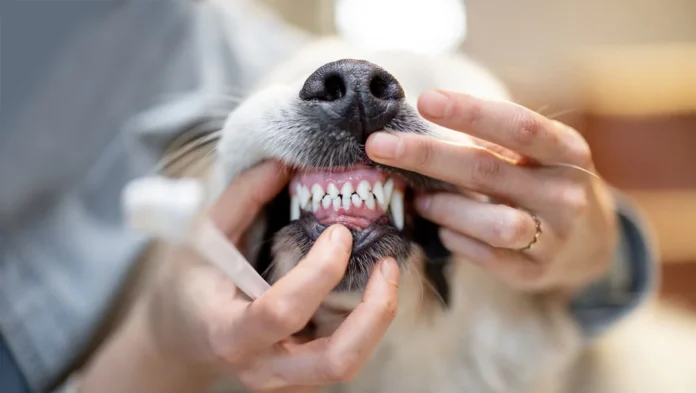

Ensuring your pet lives a long, healthy, and well-behaved life involves more than just feeding and exercise. One crucial aspect of pet health and welfare is desexing, a preventive procedure that not only controls the pet population but also contributes to the overall wellbeing of your companion. Understanding the benefits, timing, and care involved in this process helps pet owners make informed decisions that positively impact their pets and the wider community.
A pet desexing procedure involves surgically removing the reproductive organs of a pet to prevent unwanted pregnancies. While the term may initially sound intimidating, modern veterinary practices make the process safe, quick, and manageable. Beyond population control, desexing offers several health, behavioral, and social advantages that benefit both pets and their owners.
Why Pet Desexing is Important
Pet desexing plays a critical role in responsible pet ownership. Overpopulation in pets, especially cats and dogs, leads to overcrowded shelters, higher euthanasia rates, and more stray animals. By desexing pets, owners actively contribute to reducing these issues, ensuring fewer animals face neglect or homelessness.
Additionally, desexing has significant health benefits. For females, spaying eliminates the risk of uterine infections and reduces the chance of mammary tumors. For males, neutering can prevent testicular cancer and reduce aggressive or territorial behaviors. Overall, desexing helps pets live longer, healthier, and more balanced lives.
Health Benefits of Desexing
The health advantages of pet desexing go beyond reproductive control. Some key benefits include:
- Reduced Cancer Risk: Spaying female pets before their first heat cycle significantly decreases the likelihood of mammary tumors. Neutering male pets eliminates testicular cancer risk entirely.
- Prevention of Reproductive Diseases: Desexing prevents uterine infections, ovarian cysts, and other reproductive complications in females.
- Longer Life Expectancy: Studies indicate that desexed pets often live longer due to lower risks of specific cancers and infections.
- Weight Management and Metabolism: Proper post-operative care helps maintain a healthy weight, supporting joint and heart health.
By addressing these potential health risks proactively, pet owners can provide a higher quality of life and prevent costly medical emergencies.
Behavioral Benefits of Pet Desexing
Desexing also contributes to better behavioral management in pets. Unneutered pets often exhibit aggression, roaming tendencies, or territorial marking. These behaviors can be frustrating for owners and may expose pets to injuries from fights or accidents.
After desexing, many pets display calmer and more stable temperaments. For instance:
- Male pets may become less aggressive or dominant.
- Female pets experience fewer mood fluctuations related to heat cycles.
- Both genders are less likely to engage in roaming or escaping, reducing the risk of accidents.
Behavioral improvements make pets easier to train, integrate into households, and interact safely with other animals.
When to Desex Your Pet
The optimal age for pet desexing varies depending on species, breed, and health status. Generally:
- Cats can be desexed as early as eight weeks, but most veterinarians recommend between four to six months.
- Dogs are commonly desexed between six to nine months, though larger breeds may benefit from waiting until full skeletal growth.
Veterinarians evaluate each pet individually, considering factors like age, weight, and medical history to determine the safest timing. Early desexing offers the most health and behavioral benefits, but late desexing is still preferable to leaving a pet intact.
Preparing Your Pet for Desexing
Proper preparation helps ensure a smooth and safe desexing procedure. Steps include:
- Pre-Surgical Checkup: A veterinarian will assess your pet’s overall health and run any necessary blood tests.
- Fasting Guidelines: Pets are usually required to fast for a specific period before surgery to prevent complications under anesthesia.
- Creating a Comfortable Recovery Space: Designate a quiet area for rest and limit activity post-surgery to support healing.
- Monitoring for Complications: While rare, watch for signs of infection, excessive swelling, or behavioral changes after surgery.
Following veterinarian instructions closely minimizes risk and supports a fast recovery.
Post-Desexing Care and Recovery
Recovery from desexing is generally quick, with most pets resuming normal activity within a few days. Key aspects of post-operative care include:
- Pain Management: Veterinarians prescribe pain relief to ensure your pet remains comfortable.
- Preventing Licking or Biting: Use protective collars if needed to avoid irritating the surgical site.
- Monitoring Incision Sites: Check daily for redness, swelling, or discharge.
- Dietary Adjustments: Feed smaller portions initially and gradually return to normal feeding habits.
Consistent monitoring during recovery ensures your pet heals without complications and reduces stress for both the animal and owner.
Social and Community Benefits
Desexing pets has broader societal benefits. By reducing the number of unwanted litters, it decreases the burden on animal shelters and rescue organizations. Fewer stray animals mean fewer cases of disease transmission, accidents, and conflicts with humans or other animals. Responsible pet ownership, including desexing, promotes healthier communities and a safer environment for pets and people alike.
Conclusion
Pet desexing is a fundamental step in responsible pet ownership, offering health, behavioral, and community benefits. From reducing the risk of cancer to preventing aggressive behavior and controlling overpopulation, desexing improves the life of your pet and those around them. By consulting a pet desexing professional, following pre- and post-surgical guidance, and providing consistent care, you ensure your pet remains healthy, happy, and safe. Making the decision to desex your pet is a long-term investment in their wellbeing and a positive contribution to the community.

