
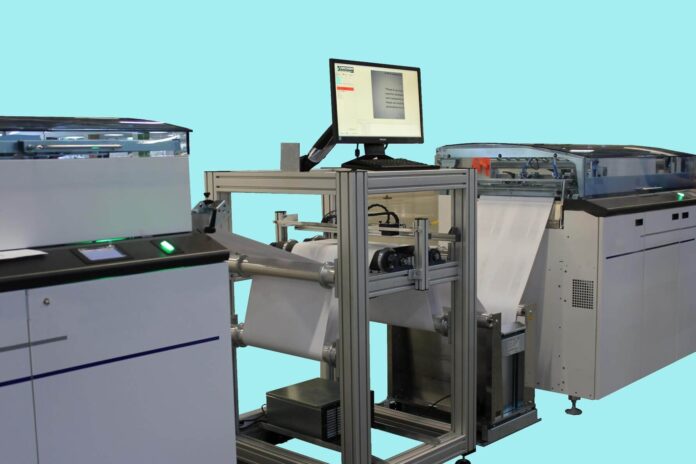

In the fast-paced world of printing and packaging, ensuring accuracy before beginning a production run is critical. Errors such as misprints, color inconsistencies, misaligned graphics, or missing text can lead to costly rework, wasted materials, and delayed deliveries. Conducting thorough checks before the print run begins is an essential practice to maintain quality, optimize efficiency, and prevent defects from reaching customers.
For manufacturers seeking reliable pre-production quality assurance, Pre-Print Inspection provides a comprehensive solution. This process involves carefully verifying designs, materials, and printer settings to detect potential issues before the production line starts. By identifying problems early, businesses can save time, reduce costs, and maintain consistent output quality.
Key Aspects of Pre-Print Inspection
Pre-print inspection involves multiple verification steps that ensure a smooth and accurate production run. Understanding these aspects highlights why this process is indispensable for modern printing operations.
1. Verification of Artwork and Design Files
The first step in pre-print inspection is thoroughly checking all design files for accuracy. This includes verifying text, graphics, logos, and layout dimensions. Ensuring that all elements are correctly positioned and meet design specifications prevents errors that could affect the final product. Early verification also allows for corrections before significant resources are invested in printing.
2. Color Consistency Checks
Maintaining color consistency is crucial, particularly for branded packaging and marketing materials. Pre-print inspection includes checking color profiles, ink formulations, and sample prints to ensure that the final output matches the intended colors. This step prevents costly color mismatches and ensures brand integrity across multiple production batches.
3. Material and Substrate Verification
The choice of printing materials and substrates can significantly impact the quality of the final product. Pre-print inspection involves verifying that the correct paper, film, or label material is loaded, and that it meets required specifications. This step ensures that the materials are compatible with the printing process and reduces the risk of defects such as smudging, tearing, or poor adhesion.
4. Printer and Equipment Calibration
Ensuring that printers and other production equipment are correctly calibrated is another critical component of pre-print inspection. This includes verifying alignment, ink density, resolution, and other machine settings. Proper calibration minimizes errors, improves print quality, and ensures that the production run starts on the right track.
5. Sample Print Evaluation
Conducting a small test print or proof before the full run allows operators to identify any remaining issues. By reviewing a sample, potential defects can be detected and corrected before mass production begins. This step is particularly valuable for complex designs, multi-color prints, or high-volume runs, where errors can be costly and time-consuming to fix.
6. Integration with Automated Inspection Systems
Modern pre-print inspection can also be integrated with automated print inspection systems. These systems use high-resolution imaging and intelligent software to detect potential issues even before the production run starts. Early integration with automation ensures a higher level of accuracy and minimizes the risk of defective products entering the production line.
Benefits of Pre-Print Inspection
Implementing a thorough pre-print inspection process offers several advantages for manufacturers:
- Reduced Errors: Detects potential issues before production begins, minimizing defective output.
- Cost Savings: Prevents waste of materials, ink, and labor caused by errors in the print run.
- Consistency: Ensures accurate alignment, color matching, and adherence to design specifications.
- Operational Efficiency: Avoids production delays and reduces the need for reprints.
- Brand Integrity: Maintains high-quality standards that reflect positively on the brand.
- Data for Process Improvement: Provides insights for optimizing future print runs and workflows.
Conclusion
Early verification through pre-print inspection is a critical step in modern printing operations. By thoroughly checking artwork, colors, materials, equipment settings, and sample prints, manufacturers can prevent defects, save costs, and maintain high-quality output. Integrating pre-print inspection with automated systems enhances accuracy and efficiency, ensuring that production runs start smoothly and consistently. For businesses aiming to deliver flawless printed products while optimizing resources, prioritizing pre-print inspection is an essential practice that supports operational excellence and customer satisfaction.

