
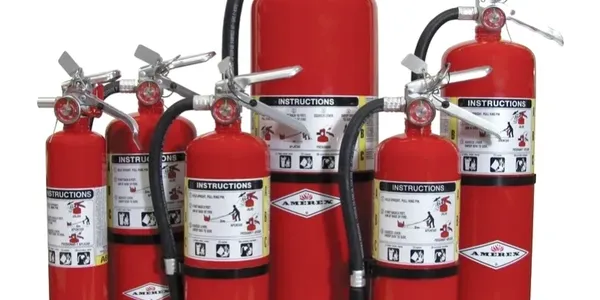

Fire extinguishers are essential safety devices in any building, offering the first line of defense against fire emergencies. However, having a fire extinguisher alone is not enough—it must be regularly inspected to ensure it is ready for use at any time. In Tampa, fire extinguisher inspections are not only a best practice but a legal requirement. Staying informed about inspection regulations helps property owners protect occupants, comply with fire codes, and avoid penalties.
To stay compliant and maintain functional fire safety equipment, many property owners partner with certified providers of Fire Extinguisher Inspection Tampa. These professionals are trained to perform inspections in accordance with Tampa Fire Rescue Department guidelines and National Fire Protection Association (NFPA) standards, ensuring every extinguisher is safe, fully charged, and properly documented.
Understanding Fire Extinguisher Inspection Categories
Inspections are conducted at various intervals to ensure the extinguisher’s readiness and reliability. These include monthly visual inspections, annual maintenance checks, and more thorough testing every few years. Each level of inspection plays a crucial role in preventing fire emergencies from turning catastrophic.
1. Monthly Visual Inspections
Tampa fire codes require that all fire extinguishers be visually inspected once per month. This check can typically be performed by the building owner, manager, or a trained employee. The monthly inspection focuses on:
- Ensuring the extinguisher is in its designated location and clearly visible
- Verifying that the safety pin is intact and the tamper seal is unbroken
- Checking that the pressure gauge needle is in the green zone
- Confirming that the unit shows no signs of physical damage or leakage
- Making sure operating instructions are legible and facing outward
These inspections must be documented, noting the date and the name or initials of the person conducting the check.
2. Annual Maintenance Inspection
At least once every 12 months, a licensed fire safety technician must perform a comprehensive inspection. This involves:
- Verifying the unit’s physical condition, including the nozzle, hose, and handle
- Inspecting the pressure gauge and internal pressure
- Checking for corrosion, dents, or damage that could compromise performance
- Weighing the extinguisher to ensure it has not lost extinguishing agent
- Replacing or recharging the extinguisher if necessary
Upon successful inspection, the technician will affix a certification tag to the extinguisher showing the date of inspection and technician details, as required by Tampa and NFPA regulations.
3. Internal Maintenance and Hydrostatic Testing
Certain types of extinguishers must undergo internal maintenance and hydrostatic testing at set intervals. Hydrostatic testing evaluates the strength and integrity of the cylinder and is typically required every 5 or 12 years, depending on the extinguisher type. This process involves:
- Removing the extinguishing agent and discharging pressure
- Filling the extinguisher with water and pressurizing it above normal limits
- Checking for leaks, deformations, or structural weaknesses
- Reassembling, recharging, and labeling the extinguisher after passing the test
Failing to complete hydrostatic testing within the designated timeframe can result in the extinguisher being deemed non-compliant and unsafe for use.
Common Inspection Violations in Tampa
Many property owners fail fire inspections due to small oversights that can be easily avoided with regular attention. Common issues include:
- Expired or missing inspection tags
- Obstructed or poorly mounted extinguishers
- Damaged units that haven’t been repaired or replaced
- Missing documentation of monthly checks
Addressing these issues proactively helps avoid citations, insurance issues, and legal liabilities.
Who Is Responsible for Compliance?
Property owners, facility managers, and business operators are responsible for ensuring that fire extinguishers are inspected and maintained in accordance with Tampa fire codes. While employees may perform monthly visual inspections, annual and advanced testing must be carried out by certified professionals. Keeping detailed records of each inspection is crucial for passing regulatory audits and for your own peace of mind.
Benefits of Regular Inspections
- Enhanced Safety: Functional fire extinguishers reduce the risk of injury and property loss during emergencies.
- Regulatory Compliance: Inspections keep you aligned with Tampa fire codes and NFPA standards.
- Insurance Protection: Most insurance policies require evidence of regular fire safety equipment maintenance.
- Cost Efficiency: Preventative maintenance and early detection of issues are far less costly than fire damage repairs or lawsuits.
Conclusion
In Tampa, fire extinguisher inspections are more than a formality—they are a vital part of fire prevention and safety. Understanding the types of required inspections, maintaining accurate records, and working with certified professionals are key to ensuring your fire extinguishers remain reliable and compliant. By staying vigilant, you not only avoid penalties but also provide crucial protection for people and property when it matters most.

