
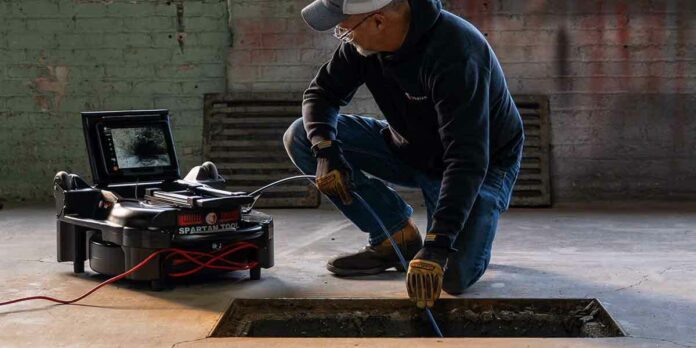

Operating a well camera may appear straightforward, but the environments in which these devices are used present multiple hazards. Wells are often deep, enclosed, and contain water with varying chemical composition, pressure levels, and debris. For technicians, understanding and following safety precautions is essential not only to protect themselves but also to ensure the equipment remains functional. Modern well cameras provide valuable visual data, but safe operation requires careful planning, proper handling, and adherence to standard safety protocols.
Using well cameras safely begins with preparation and extends through every stage of deployment, operation, and retrieval. Neglecting these safety measures can result in personal injury, equipment damage, or loss of critical inspection data.
Conduct a Pre-Inspection Risk Assessment
Before lowering the camera, operators should conduct a thorough risk assessment. Identify potential hazards such as unstable well covers, loose or corroded casing, chemical residues, or slippery surfaces. Check for access restrictions, ventilation issues, and the presence of other personnel in the area.
This step helps prevent accidents and ensures that the team is aware of any unique conditions that could affect camera operation or personal safety.
Ensure Proper Personal Protective Equipment (PPE)
Personal protective equipment is essential when handling wells and cameras. Recommended gear includes:
- Safety gloves to protect against cuts and chemical exposure
- Hard hats for overhead protection
- Safety boots with non-slip soles
- Protective eyewear
- High-visibility clothing if working on large sites
PPE minimizes the risk of injury from slips, contact with debris, or accidental tool handling.
Inspect the Equipment Before Use
Well cameras operate under challenging conditions, and any equipment failure can result in accidents or lost footage. Technicians should inspect:
- Camera housing for cracks or leaks
- Lens for cleanliness and scratches
- Cable integrity and reel functionality
- Power supply and connections
- Lighting systems for proper operation
Performing a pre-use inspection ensures that the camera functions as intended and reduces the risk of malfunction during the inspection.
Secure the Work Area
Creating a safe work zone around the well prevents accidents involving personnel or equipment. Barriers, warning signs, and caution tape can alert others to the inspection in progress. Clear any unnecessary tools or materials from the area to prevent tripping or interference with the camera deployment.
Lower and Retrieve the Camera Carefully
One of the most critical safety steps is handling the camera cable and reel correctly. Operators should lower the camera slowly and steadily to prevent it from swinging, snagging, or striking the well walls. Sudden movements can damage the camera or compromise footage quality.
Retrieval should also be controlled. Avoid jerking or pulling the cable, which could strain the system or cause it to snap.
Avoid Electrical Hazards
Since well cameras often rely on powered lighting and recording systems, electrical safety is paramount. Ensure that all cords are insulated, dry, and kept away from standing water. Ground-fault circuit interrupters (GFCI) should be used to reduce the risk of electric shock. Never handle powered equipment with wet hands or when standing in water.
Maintain Communication Among Team Members
Inspections often require coordination between the operator controlling the camera and the team monitoring the footage. Establish clear communication methods, such as radios or hand signals, to prevent confusion and ensure prompt responses to any unexpected situation.
Follow Manufacturer Guidelines
Each well camera model has specific operational instructions, including maximum depth, water pressure tolerance, and temperature limits. Exceeding these parameters can damage the camera or create hazardous conditions. Always follow the manufacturer’s guidelines and training recommendations to maintain both safety and equipment longevity.
Keep Emergency Procedures Ready
Even with all precautions, accidents can occur. Ensure that emergency procedures are in place, including first aid kits, contact numbers for medical support, and knowledge of site evacuation routes. Training team members in emergency response improves preparedness and reduces risks.
Conclusion
Operating well cameras safely requires careful planning, adherence to protocols, and proper handling of equipment. By conducting risk assessments, wearing appropriate PPE, inspecting tools, securing the work area, and following manufacturer guidelines, technicians can minimize hazards while obtaining high-quality inspection footage. These safety precautions not only protect personnel but also help ensure reliable, uninterrupted operation of well cameras for efficient and effective subsurface inspections.

