
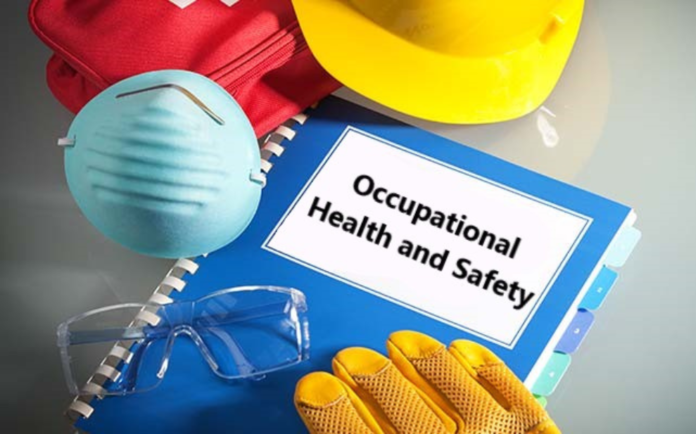

Effective workplace safety programs help organizations reduce accidents, improve employee well-being, and maintain consistent operations by transforming safety policies into everyday practices. Today’s occupational safety strategies combine structured procedures, real-time visibility, and continuous improvement to identify hazards early, respond faster to risks, and build sustainable safety cultures across all departments.
At the center of employee protection, OHS (Occupational Health and Safety) provides a practical framework for managing workplace risks, maintaining regulatory compliance, and embedding health and safety responsibilities directly into daily business activities.
Redefining Occupational Safety in Today’s Work Environment
Occupational Health and Safety focuses on preventing injuries, minimizing exposure to hazards, and promoting physical and mental well-being at work. It encompasses everything from equipment safety and ergonomics to emergency preparedness and ongoing training.
In earlier years, safety programs were often reactive, relying on manual reporting and isolated checklists. Modern OHS has evolved into a proactive discipline supported by digital workflows and performance analytics. Organizations now track safety indicators continuously, analyze patterns, and implement preventive actions before incidents occur.
This evolution enables businesses to move beyond minimum compliance and develop workplaces where safety is a shared responsibility.
Why OHS Is Essential for Business Stability
OHS is no longer viewed as a back-office function. It directly impacts productivity, workforce engagement, and operational resilience.
Stronger Compliance Management
Regulatory requirements continue to increase across industries. Organizations must maintain accurate records, demonstrate consistent adherence, and respond quickly to audits. A structured OHS approach simplifies documentation and reduces exposure to penalties.
Improved Employee Confidence
When employees feel protected, they are more focused and motivated. Clear safety procedures and transparent communication strengthen trust and reduce turnover.
Lower Operational Disruptions
Workplace incidents can cause production delays, equipment damage, and legal challenges. Proactive safety practices help identify risks early, preventing costly interruptions.
Enhanced Organizational Reputation
Customers, partners, and investors increasingly value companies that prioritize employee welfare. A strong safety record reinforces credibility and long-term sustainability.
Key Elements of a High-Impact OHS Program
An effective Occupational Health and Safety strategy integrates multiple components into a single, cohesive framework.
Hazard Recognition and Risk Control
Regular workplace assessments help teams identify potential hazards, evaluate their impact, and apply control measures based on priority and severity.
Incident Management and Corrective Measures
Near misses and unsafe conditions should be reported promptly. Structured investigations uncover root causes and guide corrective actions to avoid recurrence.
Compliance Tracking and Documentation
Training logs, safety permits, and inspection records must be centralized and easily accessible. Organized documentation ensures readiness for audits and reviews.
Continuous Training and Engagement
Ongoing education reinforces safety awareness. Digital training tools allow organizations to assign learning modules, monitor completion, and keep employees informed of best practices.
Performance Measurement
Dashboards and reports provide visibility into safety trends, outstanding actions, and compliance status, enabling leadership to make data-driven decisions.
The Role of Technology in Advancing OHS
Manual safety processes often rely on disconnected spreadsheets, emails, and paper forms. These methods slow response times and limit transparency.
Digital platforms bring all safety activities into one environment. Field teams can submit hazard reports from mobile devices. Managers review live dashboards. Corrective actions are assigned instantly and tracked until closure.
This real-time connectivity improves accountability and shortens feedback loops. Historical data also becomes a powerful tool, helping organizations identify recurring issues and prevent future incidents.
With technology in place, companies move from reactive safety management to proactive risk prevention.
Industries Achieving Strong Results with OHS
Occupational Health and Safety delivers value across many sectors, but some experience especially significant benefits.
Manufacturing
Facilities use OHS systems to reduce injuries, manage machine safety, and comply with regulatory standards. Early detection prevents downtime and production losses.
Construction and Infrastructure
Project teams coordinate site safety, contractor compliance, and hazard reporting across multiple locations, improving oversight and reducing accidents.
Energy and Utilities
High-risk environments require strict controls. OHS platforms support field crews by documenting conditions, tracking compliance, and protecting critical assets.
Facilities and Property Operations
Routine safety inspections, maintenance coordination, and environmental monitoring become easier to manage through centralized safety workflows.
Real Outcomes from Investing in OHS
Organizations that implement structured Occupational Health and Safety programs often see measurable improvements within months.
- Reduced incident rates through proactive hazard identification
- Faster resolution of safety issues with automated workflows
- Improved audit readiness with centralized records
- Higher employee morale due to safer working environments
- Lower operational costs by preventing repeat incidents
These results contribute directly to productivity, resilience, and long-term profitability.
Practical Steps for Sustainable OHS Implementation
Successful OHS programs require leadership commitment and workforce participation.
Begin by setting clear safety objectives aligned with business goals. Engage frontline employees in identifying risks and refining procedures. Provide regular training and encourage open dialogue around safety concerns.
Appoint internal champions to support adoption and maintain momentum. Review performance data regularly and adjust strategies based on real-world insights.
Most importantly, treat OHS as an ongoing improvement process rather than a one-time compliance exercise.
Converting Inspections into Meaningful Safety Action
Inspections provide critical insight into workplace conditions. When inspection findings connect directly to safety workflows, organizations can automatically trigger corrective actions, update dashboards, and track progress to completion.
Within this integrated approach, an Inspection management system serves as a key enabler, linking on-site observations with organization-wide safety objectives and ensuring every finding leads to measurable improvement.
Final Thoughts
Occupational Health and Safety is about more than meeting regulations—it is about protecting people, strengthening operations, and supporting sustainable growth. By combining structured processes with digital capabilities, organizations gain real-time visibility, stronger accountability, and a proactive approach to risk management.
As workplaces continue to evolve, businesses that invest in modern OHS practices position themselves for lasting success. When safety becomes part of everyday operations, it transforms into a powerful driver of trust, efficiency, and organizational excellence.

