
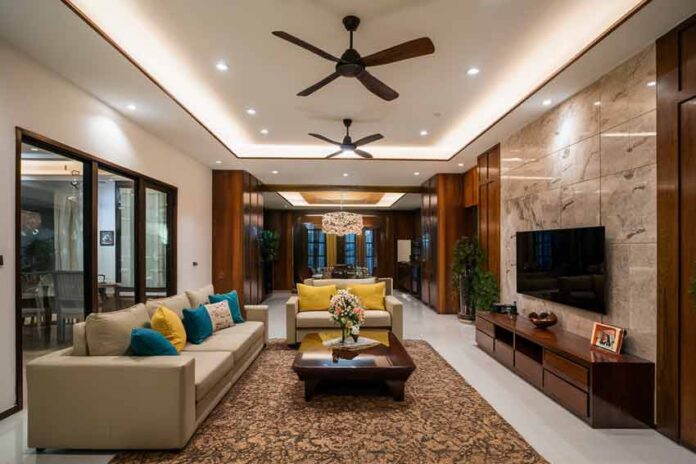

Creating a comfortable home environment depends on more than just furniture and décor. Airflow plays a crucial role in determining how welcoming and livable a space feels. Whether in bedrooms, living rooms, or outdoor patios, the right fan can transform a stuffy room into a refreshing haven. While air conditioning is often seen as the go-to solution for cooling, it is not always energy-efficient or practical. This is where residential ceiling and floor fans become a valuable addition to homes.
For homeowners seeking better air circulation, residential fans provide an effective, stylish, and eco-friendly option. Designed to complement modern lifestyles, these fans balance functionality with aesthetics, ensuring both comfort and energy savings.
Why Air Circulation Matters in Homes
Air movement is more than just a matter of comfort; it directly impacts indoor air quality, energy bills, and even overall health. Poorly ventilated homes may suffer from humidity buildup, which can lead to mold growth, unpleasant odors, and higher maintenance costs. On the other hand, good air circulation ensures consistent temperatures, reduces strain on air conditioning units, and keeps rooms fresher.
Residential fans serve as a reliable way to achieve these benefits. By continuously moving air, they prevent stagnant conditions and create a cooling effect that makes spaces more inviting.
Key Benefits of Residential Fans
1. Energy Efficiency
Compared to air conditioners, fans consume far less electricity. They allow homeowners to raise the thermostat by a few degrees without sacrificing comfort, significantly lowering energy bills over time.
2. Year-Round Use
While commonly associated with cooling, fans are useful in winter as well. By reversing their rotation, ceiling fans push warm air trapped near the ceiling down into the living area, reducing the need for extra heating.
3. Improved Indoor Air Quality
Airflow reduces humidity and helps prevent the buildup of allergens such as dust and pollen. This is especially beneficial for households with children or individuals with respiratory sensitivities.
4. Stylish Interior Design
Modern residential fans come in a variety of sleek, contemporary designs. They can act as both functional appliances and statement pieces, blending seamlessly with a home’s décor.
5. Outdoor Comfort
Beyond indoor use, fans can enhance outdoor living areas like patios, verandas, or gazebos. They help circulate fresh air and deter insects, making evenings outside more enjoyable.
Types of Residential Fans
There are several fan options available for homeowners, each designed to suit different needs and spaces.
- Ceiling Fans: The most popular choice, offering wide coverage and efficient cooling for large rooms.
- Tower Fans: Compact and portable, ideal for smaller rooms or apartments.
- Pedestal Fans: Adjustable in height and direction, making them versatile for different settings.
- Wall-Mounted Fans: Useful in areas with limited floor space, such as kitchens or garages.
- Outdoor Fans: Built to withstand moisture and weather, perfect for porches and patios.
Choosing the right fan depends on the size of the space, airflow requirements, and aesthetic preferences.
Residential Fans vs. Air Conditioning
While air conditioning systems can cool rooms quickly, they consume a significant amount of energy and often result in uneven temperature distribution. Fans, on the other hand, circulate air consistently, providing a cooling effect without the steep energy costs.
In fact, combining both systems can be highly effective. Fans reduce the burden on air conditioners by enhancing airflow, enabling homeowners to set higher thermostat temperatures without discomfort. This hybrid approach strikes a balance between efficiency and comfort.
How to Choose the Right Residential Fan
When selecting a fan for the home, several factors should be considered:
- Room Size: Larger rooms require fans with wider blade spans to ensure effective airflow.
- Ceiling Height: High ceilings may need extended downrods for proper circulation.
- Energy Efficiency: Look for models with energy-efficient motors to keep electricity usage low.
- Noise Levels: Quiet operation is essential for bedrooms, living areas, and study spaces.
- Style and Finish: Since fans are visible fixtures, their design should complement the home’s interior.
By carefully assessing these factors, homeowners can select fans that not only provide comfort but also enhance the overall ambiance of their living spaces.
Installation and Maintenance
Proper installation is key to ensuring safety and efficiency. Ceiling fans should be securely mounted and balanced to avoid wobbling or noise. Outdoor fans must be rated for damp or wet environments to prevent damage.
Maintenance is relatively simple and includes tasks such as cleaning blades regularly, checking for dust buildup, and ensuring that the motor and electrical connections remain in good condition. With minimal upkeep, fans can last for many years while providing consistent performance.
Emerging Trends in Residential Fans
The market for residential fans has evolved significantly, with innovations that make them more efficient and user-friendly. Some of the latest trends include:
- Smart Technology: Fans equipped with remote controls, smartphone apps, and voice assistant compatibility.
- Energy-Efficient Motors: Advanced designs that maximize airflow while minimizing power usage.
- Customizable Designs: Interchangeable blades and finishes that match different interior themes.
- Whisper-Quiet Operation: New engineering techniques that eliminate noise for peaceful environments.
These advancements highlight how fans have transitioned from simple household tools into sophisticated home comfort solutions.
Conclusion
Residential fans play an essential role in creating comfortable, energy-efficient, and healthy living spaces. They are a cost-effective way to improve airflow, enhance air quality, and reduce dependence on heavy cooling systems. With their versatility, stylish designs, and innovative features, modern fans are no longer just practical appliances but integral elements of home design and comfort.

