

A leaking toilet bowl is more than just a minor inconvenience—it can lead to increased water bills, structural damage, and even unsanitary living conditions. Many homeowners overlook small leaks, assuming they’re harmless, but these issues can escalate if not addressed promptly. Understanding the causes, knowing how to fix them, and recognizing when to call a professional are essential to maintaining a functional and hygienic bathroom.
Identifying the Problem: Signs of a Leak
Toilet leaks often start subtly. You may notice a faint hissing sound, water trickling down the bowl’s sides, or unexplained wet spots around the base. These indicators should not be ignored. In some cases, you might detect a musty smell, indicating moisture has been present for some time. Early detection is key to avoiding extensive repairs.
For more detailed insights and potential repair options for a leaking toilet bowl, it’s useful to consult reliable plumbing services that offer both diagnosis and professional repair.
Common Causes of a Leaking Toilet Bowl
Leaking toilet bowls can arise from several issues, many of which are relatively easy to diagnose:
1. Faulty Wax Ring Seal
The wax ring is located between the base of the toilet and the floor flange. When this seal deteriorates or shifts, water can seep out from the base, especially after flushing. This is often accompanied by unpleasant odors and puddles around the toilet’s base.
2. Cracked Bowl or Tank
Though rare, cracks can form due to age, manufacturing defects, or impact. Even hairline cracks can lead to continuous leakage, particularly when the tank refills.
3. Loose or Corroded Bolts
The bolts securing the toilet to the floor can corrode over time or become loose, leading to instability and leaks. This is a common issue in older installations.
4. Faulty Flush Valve or Flapper
If the flush valve or flapper inside the tank is worn or misaligned, it can allow water to leak slowly into the bowl. While this doesn’t usually lead to external leaks, it results in wasted water and higher utility bills.
Step-by-Step DIY Fixes
Some minor leaks can be addressed without calling a plumber. Here’s what you can do:
Check and Replace the Flapper
Inspect the rubber flapper inside the tank. If it’s worn or doesn’t seal properly, replace it with a new one from your local hardware store. This is an easy and inexpensive fix.
Tighten the Bolts
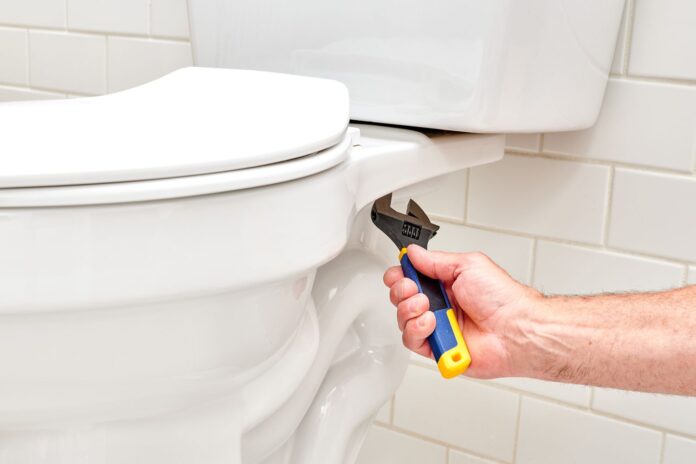
Use a wrench to gently tighten the bolts at the base of the toilet. Be careful not to overtighten, as this can crack the porcelain.
Reposition or Replace the Wax Ring
This is more advanced and typically requires removing the toilet entirely. If you’re comfortable with plumbing tools and instructions, you can attempt it. However, it’s often best left to professionals.
When to Call a Professional Plumber
Not all leaking toilet issues are DIY-friendly. If you notice any of the following, it’s best to seek expert help:
- Persistent leaks despite replacing parts
- Signs of mold or water damage around the bathroom
- Cracks in the toilet bowl or tank
- Unusual noises or constant running water
- Toilet instability or rocking
Professional plumbers have the tools and experience to diagnose complex issues quickly and efficiently. They can also ensure all repairs meet local plumbing codes.
Preventing Future Leaks
Preventive maintenance can go a long way in avoiding toilet bowl leaks. Here are a few tips:
- Inspect seals and fittings every six months
- Don’t over-tighten bolts or apply too much force when cleaning
- Avoid using harsh chemical cleaners that may degrade rubber components
- Ensure proper installation if replacing or upgrading your toilet
Conclusion
A leaking toilet bowl should never be ignored, no matter how minor the issue may seem. Early detection and timely intervention can save you money, protect your bathroom’s structural integrity, and prevent future headaches. While some fixes are simple enough to handle on your own, more serious issues require the expertise of a professional plumber. Whether it’s a worn-out wax ring or a cracked bowl, taking action quickly ensures your toilet remains in good working condition and your home stays safe and dry.

