
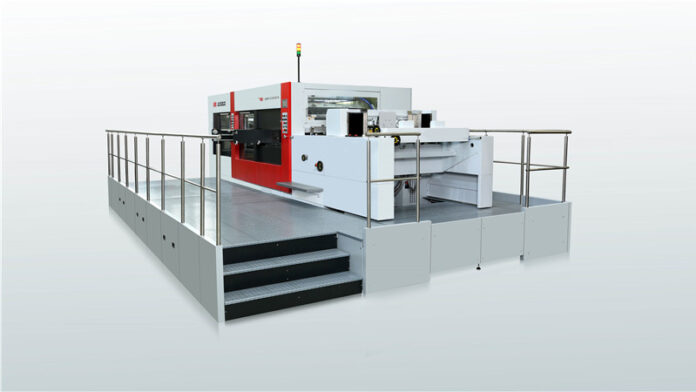

Die cutting machines are essential tools in modern manufacturing, especially for industries that rely on precise shapes and professional packaging. These machines cut materials such as paperboard, corrugated sheets, plastic films, and specialty substrates into accurate designs using a custom die. The process allows manufacturers to produce packaging boxes, labels, promotional displays, and printed products with exceptional consistency and speed. As global demand for customized packaging grows, die cutting technology continues to become more important for efficient and scalable production.
Selecting a reliable Die Cutting Machine Manufacturer is crucial for companies that want high-performance equipment and long-term operational efficiency. Experienced manufacturers design machines that combine automation, durable engineering, and precise control systems. These advanced machines help businesses maintain consistent product quality, minimize material waste, and improve production efficiency in competitive manufacturing environments.
Understanding How Die Cutting Machines Work
The die cutting process involves using a specially designed cutting tool called a die. This tool is shaped according to the design that needs to be produced. When pressure is applied, the die cuts the material into the required form.
The process is similar to a cookie cutter, but it operates at an industrial scale with much higher precision. Manufacturers can create thousands of identical shapes with minimal variation.
Materials commonly used in die cutting include:
- Folding carton paperboard
- Corrugated cardboard sheets
- Plastic films and laminates
- Foam materials and rubber sheets
- Specialty substrates used in electronics or automotive industries
Because of its versatility, die cutting technology supports a wide range of manufacturing applications.
Types of Die Cutting Machines Used in Industry
Different production requirements require different types of die cutting machines. Each machine type is designed to handle specific materials and production volumes.
Flatbed Die Cutting Machines
Flatbed die cutting machines use a flat surface where the die presses directly onto the material. They are widely used for cutting thick materials and producing complex packaging structures.
Rotary Die Cutting Machines
Rotary machines use cylindrical dies that rotate continuously during operation. This design enables high-speed production and is commonly used in label manufacturing and flexible packaging.
Automatic Die Cutting Machines
Automatic machines combine multiple operations, including feeding, cutting, stripping, and stacking. These systems are ideal for large-scale manufacturing environments where efficiency and accuracy are essential.
Why Automation Is Transforming the Die Cutting Industry
Automation has significantly improved the performance and efficiency of die cutting machines. Traditional cutting systems often required manual adjustments and constant monitoring.
Modern automated systems use advanced technologies that streamline the entire production process.
Higher Production Speed
Automated machines can process thousands of sheets per hour. This capability allows manufacturers to complete large orders quickly and maintain consistent production schedules.
Enhanced Precision
Advanced sensors and positioning systems ensure that materials are perfectly aligned before cutting begins. This precision helps maintain consistent product quality.
Reduced Labor Requirements
Automation reduces the need for manual material handling and supervision, allowing operators to manage production more efficiently.
Lower Error Rates
By controlling pressure, alignment, and speed digitally, automated systems reduce the likelihood of production mistakes.
Industries That Depend on Die Cutting Machines
Die cutting technology is widely used across multiple industries where precision and customization are required.
Packaging Manufacturing
Packaging companies rely heavily on die cutting machines to create folding cartons, shipping boxes, and custom packaging for retail products.
Printing and Publishing
Commercial printers use die cutting to produce uniquely shaped brochures, greeting cards, invitations, and promotional materials.
Label and Sticker Production
Custom labels and stickers require accurate shapes and edges. Die cutting machines make this possible with high precision.
Automotive and Electronics
Certain components used in automotive and electronic products are created using die cutting techniques applied to foam, rubber, or plastic materials.
Important Features of Modern Die Cutting Machines
When selecting die cutting equipment, manufacturers often focus on specific features that influence machine performance and durability.
High-Speed Production Capability
Modern machines are designed to operate at high speeds while maintaining accurate cutting results.
Advanced Registration Systems
Precise alignment systems ensure that every sheet is positioned correctly before cutting begins.
Durable Machine Construction
Heavy-duty frames and components allow machines to operate continuously in demanding production environments.
Easy-to-Use Control Interfaces
Digital control panels enable operators to adjust machine settings and monitor performance quickly and efficiently.
Benefits of Investing in Modern Die Cutting Technology
Businesses that invest in advanced die cutting equipment gain several advantages that improve productivity and competitiveness.
Increased Manufacturing Efficiency
Automated systems reduce production time while maintaining consistent quality.
Improved Product Appearance
Precise cutting ensures clean edges and accurate shapes, which improves the overall presentation of packaging and printed products.
Reduced Material Waste
Accurate cutting reduces production errors and helps manufacturers use raw materials more efficiently.
Flexible Production Capabilities
Manufacturers can easily switch between different designs and materials, allowing them to meet diverse market demands.
Maintenance Tips for Reliable Machine Performance
Proper maintenance ensures that die cutting machines operate smoothly and maintain consistent output quality.
Routine Cleaning
Regular cleaning prevents dust and debris from interfering with machine components and cutting accuracy.
Inspection of Cutting Dies
Dies should be checked frequently to ensure they remain sharp and capable of producing clean cuts.
Lubrication of Mechanical Parts
Lubricating moving components reduces friction and helps extend the lifespan of machine parts.
Scheduled Professional Maintenance
Routine servicing by trained technicians helps identify potential issues before they cause production downtime.
Future Innovations in Die Cutting Technology
The die cutting industry continues to evolve as manufacturers adopt advanced technologies and smarter production systems.
Smart Manufacturing Integration
Modern machines increasingly connect with digital monitoring platforms that allow operators to track production performance in real time.
Energy-Efficient Machine Design
Manufacturers are developing equipment that reduces energy consumption while maintaining high production speeds.
Multi-Process Production Systems
Some advanced machines combine die cutting with embossing, creasing, and foil stamping to complete multiple finishing tasks in one production line.
Advanced Sensor Technology
Improved sensors and automated calibration systems are helping machines achieve even greater precision and operational reliability.
Conclusion
Die cutting machines play a crucial role in modern manufacturing by enabling precise cutting, high production speeds, and consistent product quality. From packaging production to commercial printing, these machines help businesses create professional and visually appealing products.
By investing in advanced technology and working with experienced equipment manufacturers, companies can improve efficiency, reduce costs, and maintain a strong competitive position in the global marketplace. As innovation continues to shape the packaging and printing industries, die cutting machines will remain a vital component of efficient and high-quality manufacturing operations.

