
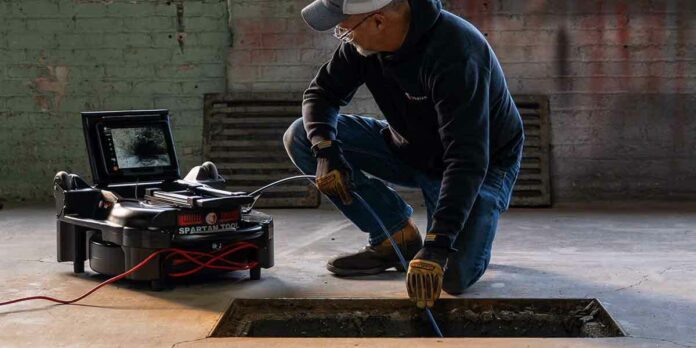

Hidden drain problems are a common challenge for homeowners and property managers. While some plumbing issues are obvious, many problems occur out of sight, deep within pipes, making them difficult to detect until significant damage occurs. Slow drains, recurring blockages, foul odors, and water backups often indicate that a drain system may be compromised. In such cases, traditional inspection methods, which rely on guesswork or invasive digging, can be inefficient and costly. A sewer camera provides a modern solution to accurately identify hidden drain issues, offering an efficient, non-invasive approach to pipeline inspection.
Using a high-quality sewer camera allows plumbing professionals to visually inspect the interior of pipes in real time. These cameras are equipped with flexible cables, high-resolution lenses, and LED lighting to navigate through complex pipe systems. By capturing clear video footage of the pipe interior, a sewer camera helps detect hidden blockages, cracks, corrosion, or root intrusions, enabling technicians to address issues before they escalate into costly repairs.
Common Hidden Drain Problems
Drains can experience a range of hidden issues that are not immediately noticeable but can lead to serious plumbing complications if left untreated. Common hidden drain problems include:
- Partial or Complete Blockages – Caused by accumulated grease, hair, soap scum, or foreign objects that restrict water flow.
- Pipe Cracks and Leaks – Cracks may develop due to shifting soil, aging pipes, or corrosion, allowing water to escape and potentially damage surrounding structures.
- Root Intrusions – Tree roots can penetrate sewer lines, causing blockages and pipe damage that can worsen over time.
- Pipe Corrosion – Older metal pipes may corrode internally, weakening the pipe structure and increasing the risk of leaks.
- Misaligned or Collapsed Pipes – Ground movement, poor installation, or heavy loads above ground can cause pipes to shift or collapse, obstructing flow.
How a Sewer Camera Detects Problems
A sewer camera provides a detailed view of the interior of drains and pipelines, making it easier to identify hidden problems. The process typically involves the following steps:
- Setup and Preparation – The access point to the pipe is prepared, and the camera system is set up to ensure proper functionality.
- Camera Insertion – The camera head, attached to a flexible cable, is carefully inserted into the drain. Its design allows it to navigate bends, joints, and narrow passages.
- Real-Time Inspection – Technicians monitor the live video feed to identify blockages, leaks, cracks, or other irregularities. LED lighting ensures visibility even in dark, enclosed pipes.
- Documentation – High-resolution video and images can be recorded for analysis, maintenance planning, and reporting.
Advantages of Using a Sewer Camera
Utilizing a sewer camera for drain inspections provides numerous benefits over traditional methods:
- Accurate Diagnosis – Provides clear visual evidence of the exact location and type of problem.
- Non-Invasive – Eliminates the need for unnecessary digging or pipe removal.
- Cost and Time Efficiency – Reduces labor costs and repair time by identifying the problem area quickly.
- Preventive Maintenance – Early detection of minor issues prevents them from escalating into major damage.
- Comprehensive Documentation – Video and images serve as proof of pipe conditions for maintenance records, client reports, or insurance purposes.
Applications for Residential and Commercial Properties
Sewer cameras are versatile tools used in various settings. In residential properties, they help identify slow drains, recurring clogs, and leaks without disrupting home interiors. Commercial properties and municipal systems benefit from the cameras’ ability to inspect large networks of pipelines, including main sewer lines, storm drains, and hard-to-access sections. This technology ensures that all areas, even those difficult to reach, are thoroughly inspected for hidden issues.
Conclusion
A sewer camera is an essential tool for detecting hidden drain problems before they develop into major plumbing emergencies. By providing a detailed, real-time view of pipes, it allows for accurate diagnosis, targeted repairs, and preventive maintenance. Its non-invasive approach, cost efficiency, and ability to document conditions make it invaluable for homeowners, commercial property managers, and plumbing professionals alike. Incorporating sewer camera inspections into regular maintenance routines ensures a healthier, more reliable drain system and protects properties from unexpected plumbing failures.

