
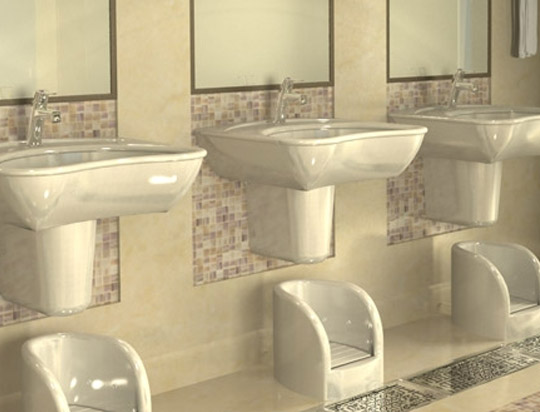

Performing wudu is an essential ritual in the daily lives of Muslims, but it can present practical challenges, especially in maintaining a safe and clean environment. Water spillage during foot washing is a common issue that can lead to slippery floors, accidents, and increased cleaning efforts. A dedicated Muslim foot washing sink addresses these concerns by providing a purpose-built solution designed to contain water effectively and minimize the risk of slips.
Modern units, such as the Muslim foot washing sink, incorporate thoughtful design features that enhance water control and safety. By combining deep basins, proper drainage, and ergonomic layouts, these sinks make performing wudu a safer and more comfortable experience, whether in homes, mosques, or public facilities.
Deep and Angled Basins for Effective Water Containment
One of the primary features that prevent water spillage is the deep, angled basin design. Unlike traditional sinks, which are often shallow and not optimized for foot washing, a dedicated wudu sink provides a basin that contains water within its confines. The angled surfaces direct water toward the drain, preventing splashes from escaping and wetting the surrounding floor.
This feature is particularly beneficial in high-traffic areas like mosques, where multiple people perform wudu in succession. By reducing water spillage, these basins maintain a cleaner environment and significantly lower the risk of accidents.
Proper Drainage Systems
Efficient drainage is essential for controlling water flow and preventing puddles. Muslim foot washing sinks are equipped with drainage systems designed to handle the volume of water used during wudu. Some models feature larger drain openings or sloped channels that guide water quickly into the plumbing, ensuring that it does not pool around the basin.
Proper drainage also makes cleaning easier and reduces the likelihood of mold or mildew forming in damp areas. This combination of functionality and hygiene makes a dedicated wudu sink a practical solution for both private and communal spaces.
Non-Slip Surfaces for Added Safety
Another key aspect of preventing slips is the inclusion of non-slip surfaces within the foot basin. Many modern wudu sinks feature textured or slip-resistant materials that provide secure footing while washing. These surfaces help users maintain balance and stability, even when water is present.
Non-slip textures are especially important for children, elderly individuals, or those with limited mobility. By integrating safety features directly into the basin, the sink promotes safer wudu practices and reduces the risk of falls.
Ergonomic Placement of Faucets and Footrests
Correct placement of faucets and footrests contributes to water control and user stability. A Muslim foot washing sink positions the faucet and foot basin to minimize awkward movements and prevent water from splashing outside the designated area. Some designs include footrests or angled supports that allow users to lift their feet comfortably without tipping or losing balance.
Ergonomic placement also encourages proper posture during wudu, which not only improves comfort but further reduces the likelihood of water spilling onto floors.
Wall-Mounted or Corner Designs to Contain Water
Space-efficient installation options, such as wall-mounted or corner-mounted units, help contain water within a defined area. These designs limit the spread of water onto adjacent walls, doors, or flooring. By using a compact and controlled footprint, the sink ensures that water stays within its intended zone, making both maintenance and cleaning simpler.
In communal facilities, such as mosques, these installation styles also help maintain an organized layout, allowing multiple users to perform wudu safely without creating wet walkways.
Reducing Cleaning Efforts and Enhancing Hygiene
By effectively managing water flow and preventing spillage, a Muslim foot washing sink reduces the frequency and intensity of cleaning required in ablution areas. Less standing water means fewer slippery surfaces and a lower chance of bacteria or mold growth. This contributes to a safer, healthier, and more hygienic environment for all users.
The combination of deep basins, proper drainage, non-slip surfaces, and ergonomic design ensures that wudu can be performed without creating additional cleaning burdens.
Conclusion
A Muslim foot washing sink is an essential fixture for safe and hygienic wudu practices. Through deep, angled basins, efficient drainage, non-slip surfaces, and ergonomic placement, these sinks effectively prevent water spillage and minimize the risk of slips. Their thoughtful design ensures that users can perform ablution comfortably and safely, whether in homes, mosques, or public facilities. By reducing accidents and simplifying maintenance, a dedicated wudu sink enhances both the safety and convenience of daily ablution rituals.

