
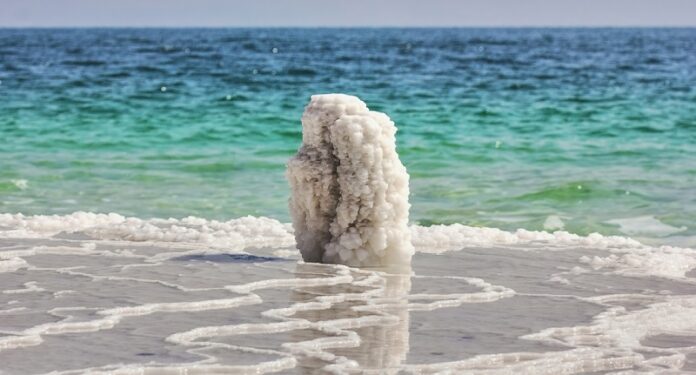

Nestled in the Jordan Rift Valley, the Dead Sea is a captivating natural wonder that entices visitors with its extraordinary features and rich history. Known for its unique geographical characteristics, historical significance, and therapeutic benefits, the Dead Sea offers an array of intriguing facts that make it a remarkable destination. From its buoyant waters to its ancient heritage, let’s embark on a fascinating exploration of this exceptional natural wonder.
The Dead Sea: A Salty Marvel
Situated between Jordan to the east and Israel and the West Bank to the west, the Dead Sea is renowned for its incredible salinity. Unlike typical lakes, this body of water is one of the saltiest in the world, which is due to its significant depth and unique geographical setting. The water here is a striking shade of blue, contrasting beautifully with the surrounding arid landscape. This high salinity is a result of the Dead Sea’s location in the Jordan Rift Valley, a geological depression that is the lowest point on Earth’s land surface.
Float with Ease: The Dead Sea’s Buoyancy
One of the most exhilarating experiences at the Dead Sea is the effortless floating that visitors can enjoy. The salinity is so high that it provides natural buoyancy, allowing people to float effortlessly on the surface without any effort. This remarkable phenomenon is not only a unique experience but also a great way to relax and enjoy the natural beauty of the area.
Therapeutic Mud: Nature’s Spa Treatment
The mud at the bottom of the Dead Sea is renowned for its therapeutic properties. Rich in minerals such as magnesium, calcium, and potassium, this mud has been used for centuries in skincare and wellness treatments. The mineral content of the mud is believed to have rejuvenating effects, making it a sought-after ingredient in beauty and health products. Visitors often indulge in mud baths and treatments to benefit from its reputed healing and nourishing properties.
A History Steeped in Significance
The Dead Sea has been a pivotal location throughout history. Its unique properties and location have made it a significant site in ancient civilizations. Historical texts and archaeological finds indicate that the Dead Sea has been referenced in various biblical and historical accounts, contributing to its rich cultural legacy. The minerals from the Dead Sea have been used in various historical practices, adding to its timeless allure.
Fascinating Facts About the Dead Sea
- Floating Fun: The high salinity of the Dead Sea makes floating incredibly easy. It’s a unique experience where you can lie back and enjoy the sensation of floating effortlessly.
- Mineral-Rich Mud: The mud at the bottom of the Dead Sea is packed with beneficial minerals. It’s used in numerous skincare and wellness treatments, prized for its rejuvenating qualities.
- Lifeless Waters: Despite its name, the Dead Sea is not entirely lifeless. The high salinity prevents most fish from surviving, but some hardy microorganisms can thrive in these extreme conditions.
- Dynamic Water Levels: The Dead Sea has experienced significant changes in water levels over time. This natural fluctuation has affected the surrounding environment and continues to be a subject of interest and study.
- Earth’s Lowest Point: The shores of the Dead Sea are the lowest point on land, sitting about 430 meters below sea level. This unique geographical feature adds to the sea’s distinctiveness.
- Ancient Echoes: Historical texts and archaeological discoveries point to the Dead Sea’s significance in ancient times, including biblical references and historical uses of its minerals.
- Healing Waters: The therapeutic properties of the Dead Sea’s water have attracted visitors seeking relief from skin conditions and other health issues for centuries.
- Spectacular Sunsets: The sunsets over the Dead Sea are a visual treat, with vibrant colors created by the high mineral content in the air, turning the sky into a canvas of beautiful hues.
Environmental Challenges and Conservation Efforts
The Dead Sea faces several environmental challenges, including fluctuating water levels and the impact of human activities such as industrial and agricultural practices. These factors have led to ongoing conservation efforts aimed at preserving the delicate balance of this unique ecosystem. Ensuring the sustainability of the Dead Sea is crucial for maintaining its natural beauty and continuing to offer its therapeutic benefits to future generations.
A Magnet for Tourists
Tourism thrives around the Dead Sea, attracting visitors with its stunning natural features and therapeutic offerings. From floating in the buoyant waters to indulging in mineral-rich mud treatments, the Dead Sea offers an immersive and unique experience. Its historical and environmental significance further enhances its appeal, making it a must-visit destination for those seeking both relaxation and exploration.
Conclusion
The Dead Sea, with its exceptional salinity, therapeutic mud, and rich historical significance, stands as a testament to nature’s wonders. Its buoyant waters and healing properties make it a fascinating destination for visitors from around the world. As conservation efforts continue to address environmental challenges, the Dead Sea remains a symbol of the delicate balance between nature and human interaction. Its timeless allure underscores the importance of preserving this natural marvel for future generations to enjoy and appreciate.

