
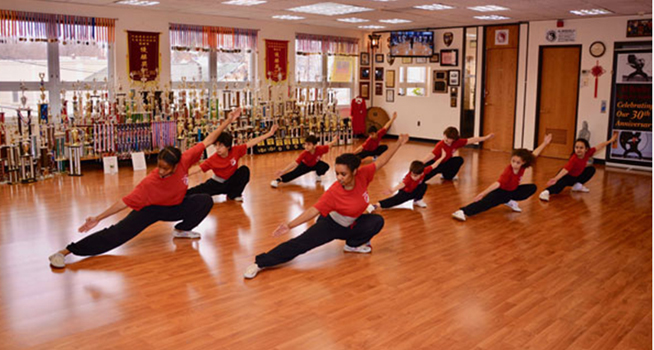

Kung Fu is a martial art renowned for its blend of physical prowess, self-defense techniques, and mental discipline. Attending a structured Kung Fu Class provides students with an opportunity to develop a wide range of skills that enhance fitness, coordination, and personal confidence. Whether you are a beginner starting your martial arts journey or an experienced practitioner looking to refine your abilities, a Kung Fu class offers comprehensive training in both foundational and advanced techniques.
A Kung Fu class focuses on structured learning, gradually introducing students to essential stances, strikes, and movements. Beginners start with basic techniques to build strength, balance, and flexibility, while advanced students refine their form, speed, and power. The classes also emphasize mental focus, discipline, and self-control, ensuring that practitioners gain benefits that extend beyond the training floor.
Fundamental Stances and Posture
One of the first skills taught in a Kung Fu class is proper stance and posture. Stances such as the horse stance, bow stance, and cat stance form the foundation for all movements. Correct posture enhances balance, stability, and strength, enabling students to execute strikes and defensive techniques effectively. Mastering these stances is critical, as they provide a stable base for both offensive and defensive maneuvers.
Striking Techniques
Kung Fu incorporates a variety of striking techniques, including punches, palm strikes, elbow strikes, and kicks. Students learn to deliver precise, controlled strikes while maintaining balance and alignment. Training focuses on speed, accuracy, and power, allowing practitioners to develop both offensive and defensive capabilities. By practicing these techniques consistently, students improve muscle strength, coordination, and reflexes.
Blocking and Defensive Skills
Defense is a key aspect of Kung Fu training. Classes teach students how to block, parry, and evade attacks, emphasizing timing and awareness. Learning defensive techniques improves reflexes, hand-eye coordination, and spatial awareness. Advanced practitioners combine defensive skills with counterattacks, creating fluid sequences that enhance self-defense capabilities in practical scenarios.
Forms and Patterns
Forms, also known as katas or sequences, are structured combinations of movements that simulate combat situations. Practicing forms develops muscle memory, coordination, and rhythm, while reinforcing proper technique. Forms also challenge mental focus, as students must remember sequences and execute them with precision. Mastery of forms is essential for progressing in Kung Fu and demonstrates a student’s proficiency in integrating multiple techniques.
Footwork and Agility
Effective footwork is a cornerstone of Kung Fu. Students learn to move efficiently, maintain balance, and position themselves strategically during training. Footwork drills enhance agility, speed, and overall coordination, allowing practitioners to react quickly and adapt to dynamic situations. Consistent practice improves both athletic performance and the ability to perform complex techniques smoothly.
Flexibility and Conditioning
Kung Fu training incorporates stretching and conditioning exercises to increase flexibility, strength, and endurance. These exercises are essential for performing high kicks, rapid movements, and complex stances safely and effectively. Improved flexibility reduces the risk of injuries and enhances overall physical fitness, making Kung Fu a full-body workout that benefits students of all ages.
Mental Focus and Discipline
A Kung Fu class is as much about mental training as it is about physical skills. Practitioners develop concentration, patience, and self-control through repetition, mindfulness, and goal-setting. These qualities enhance cognitive function, emotional regulation, and personal resilience. Mental discipline also encourages students to approach challenges with determination and confidence, both in martial arts and everyday life.
Self-Defense Applications
Practical self-defense is an integral part of Kung Fu training. Students learn how to apply techniques in realistic scenarios, including joint locks, counters, and situational awareness strategies. These skills not only enhance personal safety but also instill confidence and empowerment, allowing practitioners to handle challenging situations responsibly.
Conclusion
A Kung Fu Class offers comprehensive training that develops physical fitness, mental discipline, and practical self-defense skills. Students learn foundational stances, strikes, blocks, footwork, and forms while improving flexibility, strength, and coordination.
Beyond physical skills, Kung Fu classes cultivate focus, patience, and resilience, empowering practitioners to overcome challenges both on and off the training floor. Whether for beginners or advanced students, participating in a structured Kung Fu class provides a holistic approach to martial arts, supporting lifelong health, personal growth, and confidence.

