

Oral hygiene is a cornerstone of overall health. While daily brushing and flossing are essential, they may not always be enough to remove hidden plaque or tartar buildup. This is where professional dental care comes in. Regular visits for cleaning can help maintain strong teeth, fresh breath, and a confident smile.
What Is Teeth Cleaning?
Teeth cleaning is a preventive dental procedure that removes plaque, tartar, and stains that cannot be eliminated by routine brushing alone. It is typically carried out by a dentist or dental hygienist using specialized tools designed to clean areas that are hard to reach at home. Beyond aesthetics, this procedure reduces the risk of gum disease, cavities, and other oral health problems.
Why Regular Teeth Cleaning Matters
Prevents Gum Disease
Plaque buildup can irritate the gums, leading to gingivitis or more advanced periodontal disease if left untreated. Professional cleaning ensures early detection and prevention.
Reduces Risk of Cavities
Removing hardened tartar prevents decay and protects tooth enamel, helping to avoid painful cavities.
Improves Breath
Bad breath often results from bacteria trapped in plaque. Thorough cleaning eliminates this source, leaving fresher breath.
Enhances Appearance
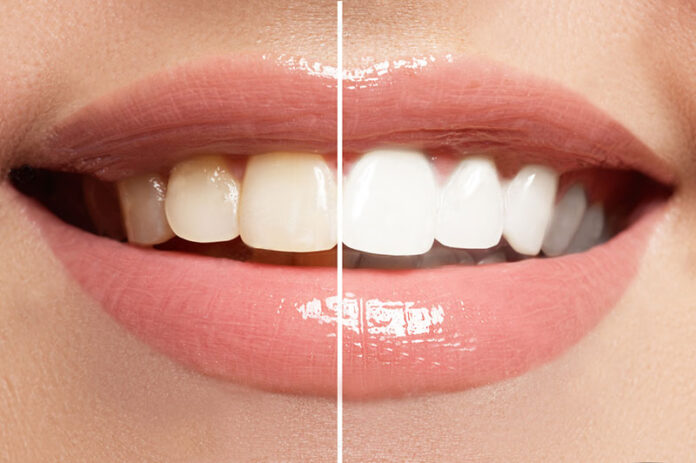
Professional cleaning removes surface stains caused by coffee, tea, tobacco, or other lifestyle factors, restoring the natural brightness of teeth.
Supports Overall Health
Research shows links between oral health and conditions such as heart disease and diabetes. Regular dental cleaning contributes to better general wellness.
The Professional Cleaning Process
Step 1: Examination
Before starting, the dentist examines the mouth to check for signs of gum disease, cavities, or other concerns.
Step 2: Scaling
Using ultrasonic or manual tools, plaque and tartar are carefully removed from teeth surfaces and along the gumline.
Step 3: Polishing
After scaling, teeth are polished with a special paste that removes minor stains and smoothens surfaces.
Step 4: Flossing and Rinsing
Deep flossing ensures debris between teeth is cleared, followed by rinsing to remove particles.
Step 5: Fluoride Treatment (Optional)
Some patients may receive fluoride application for added protection against decay.
How Often Should Teeth Cleaning Be Done?
Most dentists recommend a cleaning every six months. However, individuals with gum disease, frequent tartar buildup, or certain health conditions may require more frequent visits. Children, adults, and seniors alike benefit from these scheduled appointments.
At-Home Care Between Visits
- Brush Twice Daily: Use a fluoride toothpaste and a soft-bristled brush.
- Floss Daily: Removes plaque and food debris between teeth.
- Mouthwash: An antibacterial rinse can reduce bacterial growth.
- Balanced Diet: Limiting sugary snacks and drinks protects enamel.
- Hydration: Drinking water helps wash away food particles and maintain saliva flow.
Teeth Cleaning for Different Age Groups
Children
Regular cleaning helps monitor proper development of teeth and encourages good oral habits early in life.
Teenagers
Teens often face orthodontic treatments, making professional cleaning important for maintaining oral hygiene.
Adults
Regular appointments help prevent gum disease, cavities, and staining due to diet or lifestyle.
Seniors
Aging may bring issues like tooth loss or dry mouth. Cleaning helps maintain oral function and comfort.
Benefits Beyond Oral Health
- Boosts Confidence: A clean smile enhances self-esteem in social and professional settings.
- Saves Money: Preventive care reduces the need for expensive restorative treatments later.
- Promotes Longevity: Healthy gums and teeth contribute to long-term oral health and overall wellness.
Myths About Teeth Cleaning
- Myth 1: It Weakens Teeth
Professional cleaning does not damage enamel; it strengthens oral health. - Myth 2: It’s Only for People with Problems
Even those with excellent oral hygiene need periodic professional cleaning. - Myth 3: It’s Painful
Modern techniques make the procedure quick and comfortable.
When to Seek Immediate Dental Care
Aside from routine visits, individuals should seek professional help if they experience:
- Bleeding gums while brushing or flossing
- Persistent bad breath despite good hygiene
- Tooth sensitivity or visible tartar buildup
- Swelling around the gums or jaw
Future of Preventive Dentistry
Advances in dental care are making cleaning more effective and comfortable. Innovations like ultrasonic devices, laser-assisted cleaning, and AI-based diagnostics are improving accuracy and reducing discomfort, shaping a promising future for oral health.
Conclusion
Maintaining oral hygiene goes beyond daily routines. Professional teeth cleaning ensures a thorough removal of plaque, tartar, and stains while safeguarding long-term oral and overall health. With regular visits, patients can enjoy fresher breath, brighter smiles, and improved confidence. Preventive care remains the most effective way to protect dental health and avoid complex treatments in the future.

