
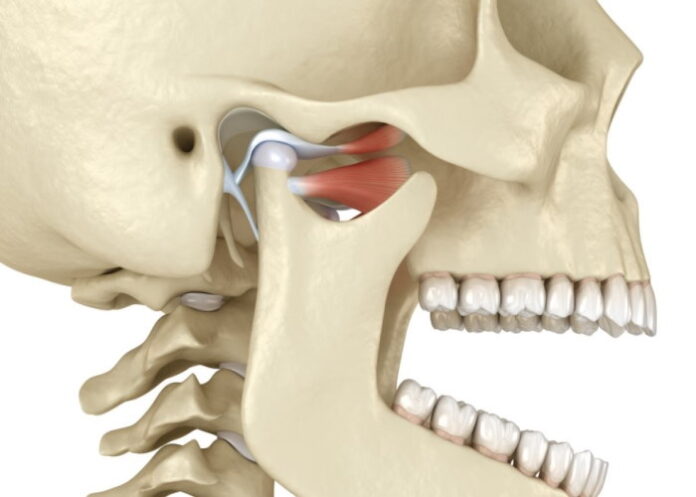

The human jaw plays a vital role in daily life, enabling us to speak, chew, and express ourselves. When the jaw suddenly becomes stiff or immobile, it can be both alarming and painful. This condition, commonly referred to as a locked jaw, may arise due to several underlying issues, ranging from muscle tension to joint disorders. Learning about the causes, signs, and treatment options helps individuals manage the condition effectively and prevent long-term complications.
What Is a Locked Jaw?
A Locked Jaw occurs when the temporomandibular joint (TMJ) or the surrounding muscles restrict normal movement. This restriction may result in difficulty opening or closing the mouth fully, along with pain and discomfort. The condition can be temporary or chronic, depending on the underlying cause. Identifying the root issue is crucial for restoring proper jaw function and avoiding further complications.
Common Causes of Locked Jaw
Temporomandibular Joint Disorder (TMD)
One of the leading causes of jaw locking is dysfunction of the TMJ. This hinge joint connects the jawbone to the skull and is prone to stress from misalignment, arthritis, or teeth grinding.
Muscle Spasms
Prolonged clenching of teeth or high levels of stress can trigger spasms in the jaw muscles, making it difficult to move the jaw freely.
Dental Problems
Abscesses, infections, or wisdom teeth complications may cause swelling or pressure that restricts jaw movement.
Trauma or Injury
Accidents that impact the jaw or face can damage joints and muscles, resulting in stiffness and limited mobility.
Arthritis
Osteoarthritis and rheumatoid arthritis may wear down the protective cartilage in the jaw joint, causing pain and locking.
Stress and Anxiety
Emotional stress often translates into physical tension, leading to clenching or grinding of teeth that eventually affects jaw mobility.
Symptoms That Indicate Jaw Locking
- Difficulty opening or closing the mouth fully
- Pain or tenderness around the jaw joint
- Clicking, popping, or grinding sounds when moving the jaw
- Stiffness in the face or neck muscles
- Headaches, earaches, or a sensation of pressure near the temples
- Swelling or inflammation near the joint area
Possible Complications If Left Untreated
Ignoring a locked jaw may lead to worsening pain, increased difficulty with eating or speaking, and long-term damage to the TMJ. In severe cases, untreated jaw dysfunction can contribute to chronic headaches, neck pain, and even sleep disturbances.
Treatment Options for Locked Jaw
Home Remedies
- Heat and Cold Therapy: Alternating warm compresses and ice packs can reduce inflammation and relax tense muscles.
- Jaw Exercises: Gentle stretching and strengthening exercises can improve mobility.
- Dietary Adjustments: Eating soft foods helps reduce strain on the jaw joint.
Medications
- Over-the-Counter Pain Relievers: Ibuprofen or acetaminophen may ease discomfort.
- Muscle Relaxants: Prescribed medications can reduce spasms and stiffness.
- Anti-Inflammatory Drugs: Useful in managing swelling and joint pain.
Dental and Orthodontic Approaches
- Mouthguards or Splints: These prevent nighttime grinding and clenching, reducing strain on the joint.
- Orthodontic Treatments: Correcting bite misalignments helps relieve pressure on the jaw over the long term.
Physical Therapy
Targeted therapy focuses on improving jaw mobility, strengthening muscles, and reducing tension. Techniques may include ultrasound therapy, massage, or manual adjustments.
Advanced Interventions
- Injections: Corticosteroid or botulinum toxin injections may be considered for persistent pain.
- Surgical Options: In rare cases, surgical correction of the TMJ may be necessary to restore normal function.
Prevention Strategies for Jaw Locking
- Manage Stress: Relaxation techniques like meditation and yoga reduce teeth clenching.
- Avoid Chewing Hard Foods: Limiting gum chewing and tough foods reduces jaw strain.
- Maintain Good Posture: Keeping the head and neck aligned prevents unnecessary joint pressure.
- Protect Against Teeth Grinding: Wearing a night guard protects teeth and joints from damage.
- Regular Dental Checkups: Early detection of dental or bite issues prevents long-term complications.
When to Seek Medical Attention
While minor stiffness may resolve with home care, professional help is necessary when:
- The jaw frequently locks in place
- Pain is persistent and worsening
- Headaches or earaches become regular
- There is noticeable swelling or difficulty eating
- Jaw movement becomes progressively limited
The Link Between Lifestyle and Jaw Health
Modern lifestyles often involve stress, poor posture from excessive screen time, and dietary habits that strain the jaw. Addressing these factors plays a vital role in maintaining healthy jaw function. Incorporating stress-relief routines, practicing mindful eating, and ensuring ergonomic work habits can significantly reduce the risk of jaw-related problems.
Conclusion
A locked jaw is not only uncomfortable but also a sign that something deeper may be affecting the jaw joint or surrounding muscles. Understanding the causes and symptoms allows individuals to take proactive measures toward treatment and prevention. Whether managed through simple home remedies, professional therapy, or advanced medical interventions, addressing the issue promptly helps restore comfort and function. Recognizing the signs early and exploring treatment options ensures that a Locked Jaw does not become a long-term obstacle to health and daily living.

