
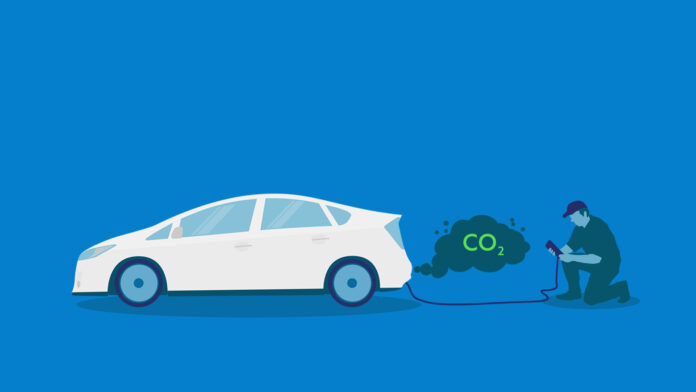

For vehicle owners, understanding the role of the Department of Motor Vehicles (DMV) in smog check requirements is key to ensuring compliance and avoiding penalties. The DMV plays a significant part in enforcing emissions regulations, managing vehicle registrations, and coordinating with smog check programs to promote cleaner air. This article explores how the DMV influences smog check processes and what vehicle owners should know about their responsibilities.
DMV’s Connection to Smog Checks
The DMV is responsible for administering vehicle registrations and ensuring that all vehicles on the road comply with state laws, including emissions standards. Smog check requirements are closely linked to this role, as the DMV often mandates that vehicles pass a smog inspection before registration renewal or ownership transfer.
Vehicle owners looking for certified smog check stations and reliable service can turn to trusted resources such as the Smog Check Network (available at www.smogcheck.net) and Vehicle Care Network (available at www.vehiclecarenetwork.com). These platforms list authorized stations that provide DMV-recognized inspections, ensuring your smog check results are valid for registration purposes.
Enforcing Emissions Compliance
One of the DMV’s primary roles related to smog checks is to enforce compliance with emissions regulations. When you renew your vehicle registration, the DMV checks whether a valid smog certification is on file. If the vehicle requires a smog check and one has not been completed or passed, the DMV may refuse to process the registration renewal.
This system encourages vehicle owners to keep their cars in emissions-compliant condition, which helps reduce pollution and protect public health. The DMV’s enforcement mechanism ensures that smog checks are not merely recommendations but mandatory legal requirements for eligible vehicles.
Coordinating Smog Check Programs
The DMV works in collaboration with other state agencies, such as the Bureau of Automotive Repair (BAR) in California, to implement smog check programs. These programs establish the standards for emissions testing, certify testing stations, and monitor compliance rates.
The DMV receives smog check results electronically from certified stations, which simplifies record-keeping and speeds up the registration process for vehicle owners. This coordination also enables the DMV to notify owners when smog inspections are due or when previous tests have expired.
Managing Exemptions and Special Cases
While smog checks apply to most vehicles, the DMV also manages exemptions and special cases. For example, certain electric vehicles, hybrids, or older classic cars may be exempt from smog check requirements depending on the state’s laws.
The DMV provides information on these exemptions during the registration process and ensures that only eligible vehicles are exempted from testing. Understanding these rules helps vehicle owners avoid unnecessary smog checks or fines.
Handling Smog Check Failures
If a vehicle fails a smog check, the DMV plays a role in managing the consequences. The vehicle owner is required to repair the issues causing the failure and obtain a passing smog certification before the DMV will process registration renewal.
In some states, the DMV offers guidance on repair assistance programs or links to resources that help vehicle owners cover the costs of emissions-related repairs. This support is part of the broader effort to maintain compliance without placing undue financial burden on owners.
Record Keeping and Data Management
The DMV maintains a comprehensive database of vehicle registration records and smog check results. This data helps track compliance, identify vehicles with repeated failures, and support environmental monitoring efforts.
Vehicle owners benefit from this system by receiving timely reminders about smog check deadlines and registration renewals. The DMV’s data management also streamlines the process of verifying smog compliance during vehicle sales or transfers.
Facilitating Vehicle Sales and Transfers
When selling or transferring ownership of a vehicle, the DMV requires proof of a recent smog check. This requirement protects buyers by ensuring the vehicle meets emissions standards at the time of sale.
The DMV processes this information as part of the title transfer and registration update, helping maintain transparency and environmental accountability in the used vehicle market.
Providing Public Education and Resources
Beyond enforcement, the DMV also plays an educational role. Through its website and customer service channels, the DMV provides information on smog check requirements, how to prepare vehicles for testing, and where to find authorized stations.
By partnering with networks such as the Smog Check Network and Vehicle Care Network, the DMV helps vehicle owners access reliable services and stay informed about changing regulations.
Conclusion
The DMV plays a vital role in smog check requirements by enforcing emissions compliance, managing registration processes, and coordinating with certified testing programs. Vehicle owners rely on the DMV not only for legal enforcement but also for guidance and access to certified smog check stations.
Using trusted resources like the Smog Check Network and Vehicle Care Network helps ensure your smog checks meet DMV standards, facilitating a smoother registration experience. Understanding the DMV’s involvement allows vehicle owners to stay compliant, avoid penalties, and contribute to cleaner air in their communities.

