
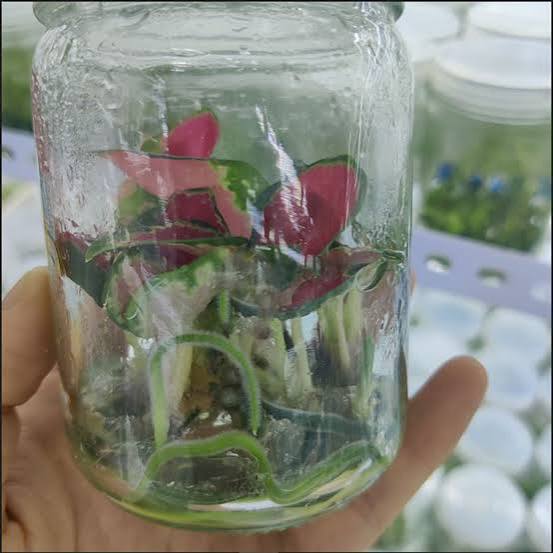

Commercial nurseries require a consistent supply of healthy plants to meet customer demand, maintain production schedules, and expand their product offerings. As the horticulture industry continues to grow, businesses are increasingly adopting modern propagation techniques to improve efficiency and maintain plant quality. Tissue culture propagation has become an important solution for nurseries that need large quantities of young plants.
Purchasing Wholesale Tissue Culture Plants in bulk offers several advantages for commercial growers, including improved supply planning, access to diverse plant varieties, and greater consistency across production batches. Understanding these benefits can help nursery owners make informed purchasing decisions and develop more efficient cultivation operations.
What Are Tissue Culture Plants?
Tissue culture plants are produced through a laboratory propagation method called micropropagation. This technique involves growing small sections of plant tissue in sterile containers containing specially formulated nutrient media.
Under controlled conditions, the plant material develops into shoots and roots before being transferred to a suitable growing environment. The resulting plantlets can then be acclimatized and prepared for commercial cultivation.
Unlike traditional propagation methods, tissue culture allows growers to multiply selected plant varieties in relatively large quantities using limited starting material.
Why Do Commercial Nurseries Buy Tissue Culture Plants in Bulk?
Commercial nurseries often manage extensive cultivation areas and serve customers with different plant requirements. Purchasing plants in bulk helps businesses organize their operations while maintaining a steady inventory.
Instead of sourcing small quantities through multiple orders, nurseries can coordinate larger purchases according to their production schedules. This approach can simplify procurement and reduce the administrative work associated with frequent transactions.
Bulk purchasing is particularly useful for businesses supplying garden centers, landscaping companies, plant retailers, and commercial horticultural projects.
Major Benefits of Buying Tissue Culture Plants in Bulk
1. More Consistent Plant Quality
Consistency is an important consideration for commercial nurseries. Customers generally expect plants of similar appearance, size, and variety when purchasing multiple units.
Tissue culture propagation makes it possible to produce plants from carefully selected parent material. Under suitable laboratory conditions, this can result in batches with relatively uniform genetic characteristics.
For nurseries, consistent plant material makes inventory management easier and supports more predictable production planning.
2. Better Cost Management
Buying plants in bulk can help nurseries manage purchasing expenses more effectively. Suppliers may offer competitive unit prices for larger orders, depending on the plant variety, quantity, and production requirements.
Bulk purchasing can also reduce certain administrative and logistical costs associated with placing multiple smaller orders.
However, buyers should consider the complete cost, including transportation, packaging, import duties, acclimatization, and potential plant losses.
3. Reliable Supply for Large-Scale Production
Commercial nurseries need sufficient planting material to maintain continuous production. Running out of popular varieties can affect sales, customer satisfaction, and planned cultivation schedules.
Bulk orders allow businesses to secure larger quantities in advance and coordinate deliveries with their growing cycles.
Establishing purchasing arrangements with dependable suppliers can also help nurseries prepare for seasonal demand and reduce unexpected inventory shortages.
4. Access to a Wider Range of Plant Varieties
Tissue culture technology supports the propagation of many ornamental, foliage, flowering, and selected agricultural plants.
Depending on supplier capabilities, commercial buyers may access varieties such as:
- Philodendron and Monstera varieties
- Aglaonema and Calathea
- Anthurium and Alocasia
- Orchids and other flowering plants
- Ferns and decorative foliage plants
- Selected fruit and agricultural crops
A broader product selection allows nurseries to serve different customer preferences and explore additional market opportunities.
5. Efficient Inventory Planning
Managing plant inventory requires careful coordination because living products have specific environmental and maintenance requirements.
Bulk purchasing helps nursery managers plan planting schedules, allocate greenhouse space, and organize cultivation activities according to expected demand.
When delivery quantities and arrival dates are planned properly, businesses can reduce unnecessary purchasing interruptions and make better use of available growing facilities.
6. Improved Business Scalability
Nurseries planning to expand their operations need access to sufficient planting material. Tissue culture propagation supports commercial production by making large-scale multiplication possible for many plant varieties.
Buying in bulk can help businesses increase production capacity without depending entirely on maintaining large numbers of parent plants for conventional propagation.
This can be particularly valuable for nurseries entering new markets or increasing their supply to wholesale and retail customers.
7. Greater Variety Uniformity Across Orders
For landscaping projects, retail displays, and commercial plant supply contracts, maintaining a consistent appearance is often important.
Tissue culture plants produced from selected parent material can offer greater variety uniformity than some conventional propagation methods.
However, environmental conditions, growing practices, and plant development stages can still influence their final appearance. Buyers should therefore establish clear quality expectations with suppliers.
8. More Efficient Transportation and Handling
Many tissue culture plantlets are relatively small during their early development stages. Depending on their packaging format and growth stage, they can be transported in organized containers or specialized packaging systems.
This can help suppliers prepare larger quantities for shipment while allowing buyers to organize incoming inventory efficiently.
Proper packaging, temperature management, and transit planning remain essential because young plantlets can be sensitive to transportation stress.
Popular Tissue Culture Plants for Commercial Nurseries
The most suitable varieties depend on the nursery’s target customers, local climate, available facilities, and market demand.
Ornamental Foliage Plants
Foliage plants are popular in residential decoration, offices, hotels, and landscaping projects. Their attractive leaves and diverse growth habits make them valuable products for commercial nurseries.
Common varieties include Monstera, Philodendron, Syngonium, Aglaonema, and Calathea.
Flowering Plants
Flowering varieties provide opportunities for nurseries serving garden centers and ornamental plant retailers.
Orchids, chrysanthemums, and gerberas are examples of flowering plants that can be propagated through tissue culture.
Indoor Decorative Plants
Indoor plants are widely used in homes and commercial spaces. Varieties such as pothos, ferns, and selected philodendrons are popular because of their decorative appearance and adaptability to suitable indoor conditions.
Agricultural and Fruit Plants
Some commercial growers purchase tissue culture banana and strawberry plants to support agricultural production.
These varieties can provide planting material with more consistent characteristics when produced under appropriate laboratory and quality-control conditions.
Factors to Consider Before Placing a Bulk Order
Although bulk purchasing offers several advantages, choosing the right supplier and plant varieties is essential for successful results.
Plant Health and Development Stage
Buyers should confirm whether the plants are laboratory-stage plantlets, rooted plants, or fully acclimatized specimens.
Each stage has different handling requirements. Understanding these differences helps nurseries prepare suitable facilities before delivery.
Supplier Production Capacity
A supplier should be capable of fulfilling the required quantity within an appropriate timeframe.
Ask about current availability, production schedules, minimum order quantities, and the possibility of arranging repeat shipments.
Quality Control Procedures
Contamination can affect tissue culture production and potentially reduce the number of usable plants.
Reliable suppliers should have appropriate sterilization procedures, controlled laboratory environments, and inspection processes.
Packaging and Shipping Arrangements
International shipments require particular attention to packaging, transit duration, and applicable plant import regulations.
Buyers should confirm the documentation requirements, phytosanitary certification where applicable, and any permits required by the destination country.
Sample Evaluation
Before committing to a large purchase, consider ordering samples when available.
Evaluating sample plants allows buyers to assess root development, leaf condition, variety accuracy, and overall plant quality before expanding their order quantities.
How Commercial Nurseries Can Maximize the Benefits of Bulk Purchasing
Purchasing large quantities is only effective when the nursery has a suitable system for managing incoming plants.
Several practices can help businesses achieve better results.
Forecast market demand: Review previous sales, customer preferences, and seasonal purchasing patterns before deciding order quantities.
Prepare growing facilities: Ensure sufficient greenhouse space, suitable growing media, humidity control, and appropriate lighting are available before the plants arrive.
Organize incoming inventory: Separate plant varieties and maintain accurate records of delivery dates, quantities, and plant conditions.
Follow acclimatization procedures: Gradually adapt laboratory-grown plantlets to greenhouse conditions to minimize transplant stress.
Monitor plant development: Regularly inspect root establishment, leaf growth, moisture levels, and signs of disease.
Maintain supplier communication: Discuss future requirements, production schedules, and quality expectations to support consistent purchasing arrangements.
These practices help nurseries reduce avoidable losses and make bulk purchasing more manageable.
Common Challenges of Buying Tissue Culture Plants in Bulk
Despite its advantages, bulk purchasing can introduce certain challenges that nursery owners should consider.
One concern is the need for adequate growing space. Large shipments require sufficient capacity for receiving, storing, and cultivating plants. Ordering more plants than a nursery can manage may lead to overcrowding and unnecessary losses.
Another challenge is acclimatization. Laboratory-grown plantlets may be sensitive to changes in humidity, temperature, and light. Inadequate adaptation procedures can affect their survival and early development.
Market demand is also important. Purchasing large quantities of a variety without understanding customer interest can result in excess inventory.
To manage these risks, nurseries should evaluate their production capacity, select appropriate varieties, and establish realistic purchasing schedules.
The Long-Term Value of Bulk Tissue Culture Purchasing
Bulk purchasing can become an important part of a nursery’s long-term business strategy. By developing stable supplier relationships and organizing regular procurement schedules, businesses can improve their ability to respond to market changes.
Companies such as Young Plants operate in the plant supply sector, where product availability, variety selection, and consistent sourcing are important considerations for commercial buyers.
As tissue culture technology continues to develop, improvements in laboratory practices and plant production systems are expected to support more efficient propagation across different horticultural categories.
For commercial nurseries, combining reliable sourcing with proper cultivation management can create opportunities for sustainable business growth.
Conclusion
Buying tissue culture plants in bulk offers commercial nurseries several practical benefits, including more consistent plant material, improved cost management, reliable supply, access to diverse varieties, and better production planning.
However, successful bulk purchasing requires careful supplier evaluation, accurate demand forecasting, suitable growing facilities, and effective acclimatization practices.
By understanding these factors, nursery owners can make better purchasing decisions, manage their inventory efficiently, and build a dependable foundation for long-term commercial plant production.

