
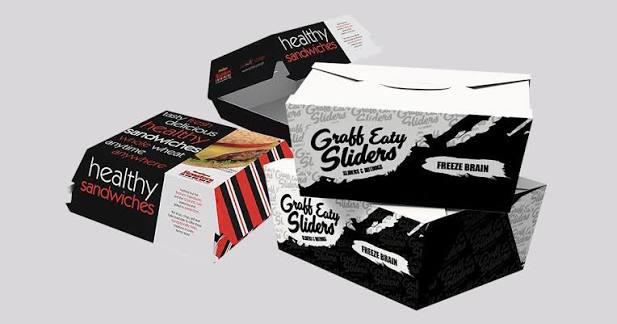

Food freshness and presentation are two important factors that influence customer satisfaction in the restaurant and takeaway industry. Whether customers order burgers, sandwiches, fried chicken, or complete meals, they expect their food to arrive in good condition. Maintaining the original taste, texture, temperature, and appearance of prepared meals requires proper handling and suitable packaging.
Packaging plays an essential role in this process. Well-designed Fast Food Boxes help protect meals during storage and transportation while supporting an attractive presentation. By selecting appropriate materials, sizes, and structural designs, restaurants can reduce food damage, manage moisture, and provide customers with a more enjoyable takeaway experience.
1. Protecting Food from External Contamination
One of the primary functions of food packaging is to protect prepared meals from external contaminants. During preparation, storage, and transportation, food may be exposed to dust, dirt, and unnecessary handling.
Properly constructed food boxes create a protective barrier between meals and the surrounding environment. Secure closures also help reduce direct exposure during transportation.
For restaurants and takeaway businesses, maintaining clean packaging practices is equally important. Food containers should be stored in hygienic conditions and handled by employees following appropriate food safety procedures.
2. Maintaining Food Temperature
Temperature can significantly influence the quality of prepared meals. Hot food may become cold during delivery, while chilled products can warm up if exposed to unsuitable conditions.
Appropriate packaging helps reduce direct exposure to surrounding temperatures and supports better temperature management during transportation.
Different food products require different packaging characteristics. For example:
- Burgers benefit from containers that provide suitable coverage without excessive steam accumulation.
- Fried chicken requires packaging that balances heat retention with ventilation.
- Hot sandwiches need containers that help protect their structure and fillings.
- Cold meals require packaging compatible with refrigerated storage conditions.
Restaurants should also consider transportation time and appropriate temperature-control practices because packaging alone cannot maintain safe food temperatures indefinitely.
3. Managing Moisture and Condensation
Moisture management is essential for maintaining food texture and presentation. Hot meals naturally release steam, which can accumulate inside enclosed packaging.
Excessive condensation may make crispy foods soggy and affect the appearance of other ingredients.
Suitable ventilation helps release some of this moisture and supports better airflow inside the container.
For foods such as French fries, fried chicken, and onion rings, packaging with carefully positioned ventilation openings can help preserve crispness during short transportation periods.
However, the level of ventilation should match the food product. Excessive airflow may cause certain meals to lose heat or moisture too quickly.
4. Preventing Grease and Oil Leakage
Many fast-food products contain oils, fats, and sauces that can affect packaging materials.
If a container lacks sufficient grease resistance, oil may penetrate the material, creating stains and weakening the structure.
High-quality food boxes can incorporate suitable grease-resistant materials or protective coatings to reduce these problems.
This feature is particularly important for:
- Burgers containing oily sauces.
- Fried chicken and other fried products.
- French fries and potato wedges.
- Meat-based sandwiches.
- Foods containing butter or cheese.
Preventing grease penetration helps maintain cleaner packaging and improves the customer’s overall experience.
5. Preserving the Original Food Texture
Food texture is closely connected to how customers perceive freshness. Crispy foods should remain reasonably crisp, while soft products should retain their intended consistency.
Packaging design can influence these characteristics by controlling airflow, moisture accumulation, and physical pressure.
For example, tightly enclosed containers may trap steam from freshly fried food, while poorly fitted boxes may allow sandwiches and burgers to shift during transportation.
Restaurants should select packaging according to the texture and moisture characteristics of their menu items.
6. Maintaining Attractive Food Presentation
Presentation is an important part of the takeaway experience. Customers often form an impression of a restaurant based on how their meals look when the packaging is opened.
Suitable food boxes help maintain the arrangement of ingredients and prevent products from becoming damaged during handling.
For example, a properly sized burger box can prevent the bun and fillings from shifting. Similarly, a compartmentalized meal container can keep rice, vegetables, and other ingredients separate.
Clean packaging, suitable dimensions, and well-organized food placement contribute to a more professional appearance.
7. Choosing the Right Packaging Size
Packaging dimensions have a direct impact on food freshness and presentation.
A container that is too small may compress the food, damage toppings, or cause ingredients to spill. On the other hand, oversized packaging allows unnecessary movement during transportation.
Restaurants should consider the size, shape, and serving quantity of each menu item when selecting boxes.
Different packaging dimensions may be required for:
- Individual burgers and sandwiches.
- Family-sized fried chicken portions.
- French fries and small snacks.
- Rice meals and combination dishes.
- Bakery products and desserts.
Proper sizing helps protect the food while reducing unnecessary packaging material.
8. Using Suitable Materials for Different Foods
The material used in food packaging influences its ability to protect meals from grease, moisture, and physical damage.
Different materials offer different advantages, making it important to match the packaging structure with the intended application.
Paperboard
Paperboard is commonly used for burgers, sandwiches, and various takeaway meals. It is lightweight, printable, and available in different thicknesses.
Its performance depends on the board grade and any additional coatings or treatments.
Kraft Paper
Kraft paper is frequently used for takeaway food products because of its practical strength and natural appearance.
It can be suitable for sandwiches, snacks, and selected food containers, although additional grease or moisture protection may be necessary.
Corrugated Cardboard
Corrugated cardboard contains a fluted layer between flat paper sheets. This construction provides additional structural support and helps protect larger food products during transportation.
Coated Paper Packaging
Some packaging products use specialized coatings to improve resistance to oil and moisture. These materials can be useful for foods with higher grease content, provided the coatings are suitable for the intended food-contact application.
9. Preventing Physical Damage During Transportation
Food delivery involves movement, stacking, and repeated handling. Without suitable packaging, meals may become crushed, displaced, or spilled before reaching customers.
Strong box construction helps protect food against ordinary transportation stresses.
Important packaging features include:
- Stable bottom panels.
- Reinforced corners.
- Secure folding mechanisms.
- Appropriate wall thickness.
- Properly fitted lids.
- Suitable stacking strength.
Restaurants should test packaging under realistic delivery conditions to ensure that containers can support their intended food portions.
10. Supporting Food Separation and Organization
Some meals contain multiple ingredients that should remain separate during transportation.
Compartmentalized food boxes provide individual sections for different components, helping maintain the appearance and organization of complete meals.
These containers are particularly useful for rice dishes, combination meals, and food portions containing vegetables, meat, and side items.
Separate sauce containers can also prevent dressings and liquid ingredients from making other foods soggy.
This approach improves presentation and gives customers greater convenience when opening and consuming their meals.
11. Improving Convenience for Customers
Convenient packaging makes takeaway meals easier to carry, open, and consume.
Customers generally prefer containers that are easy to handle and do not require complicated opening procedures.
Features such as secure closures, practical shapes, lightweight construction, and appropriate compartment designs can improve usability.
Packaging should also be easy to dispose of according to the material’s available waste management options.
When restaurants focus on convenience alongside food protection, they can create a more positive takeaway experience.
12. The Importance of Packaging Hygiene
Even high-quality food boxes cannot guarantee food safety if they are stored or handled incorrectly.
Restaurants must maintain proper hygiene throughout the packaging process.
Some important practices include:
- Store packaging materials in clean and dry areas.
- Keep containers away from chemicals and potential contaminants.
- Avoid unnecessary contact with the inner surfaces of food boxes.
- Use packaging that meets relevant food-contact requirements.
- Follow appropriate food preparation and temperature-control procedures.
- Inspect packaging for damage before use.
These practices help maintain packaging cleanliness and support food safety throughout restaurant operations.
13. How Restaurants Can Select Packaging for Better Freshness
Selecting appropriate packaging requires an understanding of menu items and delivery conditions.
Restaurants should evaluate the following factors before purchasing food boxes:
Food characteristics: Consider whether meals are oily, moist, crispy, soft, hot, or chilled.
Transportation duration: Longer delivery times may require stronger packaging and additional temperature-control measures.
Material performance: Evaluate the container’s resistance to grease, moisture, and physical pressure.
Ventilation: Determine whether airflow is necessary to manage steam and condensation.
Structural strength: Check whether packaging can support the intended portion size.
Food safety: Verify material suitability and relevant compliance documentation.
Testing packaging samples with actual menu items is one of the most effective ways to identify potential performance problems.
14. How Packaging Manufacturers Contribute to Food Quality
Food packaging manufacturers play an important role in developing containers that meet the needs of restaurants and takeaway businesses.
Through material selection, structural design, and quality control, manufacturers can produce packaging with different levels of strength, grease resistance, moisture protection, and ventilation.
Businesses should work with suppliers that provide clear product specifications and understand the requirements of different food applications.
Companies such as Uchampak operate in the food packaging industry, where suitable materials and practical packaging designs help food businesses address everyday takeaway and delivery requirements.
Future Developments in Food Packaging
The food packaging industry continues to evolve as restaurants seek better ways to protect food while improving operational efficiency.
Manufacturers are exploring advanced fiber-based materials, improved barrier coatings, lightweight structures, and more efficient ventilation designs.
There is also increasing interest in packaging that combines reliable food protection with reduced material consumption.
Future developments may provide restaurants with more options for maintaining food quality while addressing environmental concerns and changing customer expectations.
Conclusion
Fast food packaging plays an important role in maintaining food freshness and presentation throughout storage and transportation. Suitable boxes help protect meals from external contamination, reduce physical damage, manage moisture, and support attractive food presentation.
Choosing the right packaging requires careful consideration of material quality, structural strength, ventilation, grease resistance, and container dimensions. Restaurants should also maintain proper hygiene and follow appropriate food handling practices to ensure that meals reach customers in good condition.
By investing in suitable packaging solutions and testing products against actual menu requirements, takeaway businesses can improve delivery performance, protect food quality, and provide customers with a more consistent dining experience.

