
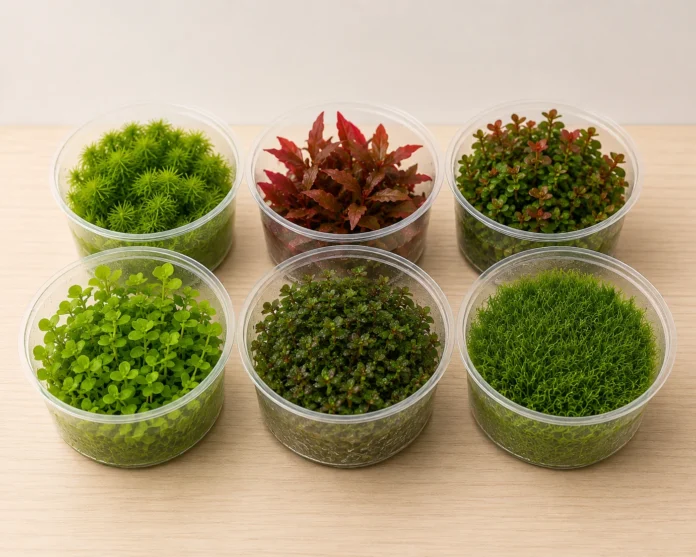

Choosing healthy plants is essential for nurseries, garden centers, plant retailers, and commercial growers. The quality of incoming plant material affects acclimatization, growing performance, inventory management, and the condition of products eventually offered to customers. When purchasing tissue culture plants, buyers need to evaluate both the supplier’s reliability and the specifications of the plants being supplied.
When exploring Tissue Culture Plants for Sale, it is important to look beyond product photographs and advertised prices. Understanding plant development stages, checking quality indicators, and confirming shipping arrangements can help buyers make informed decisions and select suitable plants for their growing operations.
1. Understand the Different Stages of Tissue Culture Plants
Before evaluating plant health, buyers should understand which stage of development they are purchasing. Tissue culture plants can be supplied in different forms, and each requires a different level of care after delivery.
Common stages include:
- In-vitro plantlets: Young plants growing in sealed containers with a nutrient medium under controlled conditions.
- Rooted plantlets: Plants that have developed roots but may still require careful environmental adjustment.
- Acclimatized plants: Young plants that have already undergone the transition from laboratory conditions to a nursery environment.
- Established young plants: Plants that have developed further and are generally more prepared for continued nursery production.
Buyers should confirm the exact stage rather than assuming all tissue culture products are ready for direct planting or retail sale.
2. Check Leaves, Stems, and Overall Appearance
<AsyncImage query=”healthy tropical tissue culture plantlets green leaves in nursery trays” aspectRatio=”16:9″ width=”100%”/>
The visible condition of a plant can provide useful information about its development. Healthy plantlets generally show growth characteristics appropriate to their species and stage.
When reviewing photographs or inspecting a shipment, look for:
- Leaves with natural, species-appropriate coloration
- Firm stems and growing points
- No obvious signs of decay or severe damage
- Growth that appears reasonably uniform within the batch
- No unusual discoloration, spotting, or abnormal deformation
Not every plant will look identical, particularly when comparing different varieties or development stages. Buyers should evaluate appearance against the supplier’s stated specifications rather than applying one standard to every tropical plant.
3. Evaluate Root Development
<AsyncImage query=”healthy rooted tropical tissue culture plantlets visible white roots nursery” aspectRatio=”16:9″ width=”100%”/>
Root condition is another important factor when purchasing rooted or acclimatized tissue culture plants. A suitable root system helps plants absorb water and nutrients as they establish in their growing environment.
Depending on the plant species and development stage, healthy roots may appear white, cream, or light-colored. Roots should generally be firm rather than soft or visibly decayed.
Buyers should ask suppliers for clear photographs of representative plants when root development is an important purchasing requirement. For plants supplied in sealed culture vessels, the roots may be difficult to inspect individually, so container condition and supplier quality records also matter.
4. Look for Signs of Contamination or Damage
<AsyncImage query=”plant tissue culture laboratory propagation containers clean healthy plantlets” aspectRatio=”16:9″ width=”100%”/>
Contamination is a significant concern in tissue culture production. Microorganisms can affect the culture environment and compromise plant material if they are not identified and managed properly.
When inspecting culture vessels or received material, watch for unusual growth that may indicate contamination, including:
- Unexpected cloudy or discolored culture medium
- Fuzzy growth that may resemble mold
- Unusual patches or films inside containers
- Unexplained tissue deterioration
- Damaged or poorly sealed culture vessels
Not every change in color or appearance indicates contamination, so concerns should be evaluated by someone familiar with tissue culture production. Buyers should ask suppliers how they monitor cultures and handle questionable batches before dispatch.
5. Choose Suppliers With Clear Quality Control Procedures
A trustworthy supplier should be able to explain how plant material is selected, monitored, and prepared for delivery. Quality control should cover more than the appearance of a few sample plants.
Before placing an order, ask about:
- Inspection procedures during production
- How contamination is monitored
- Plant grading and batch selection
- Procedures for removing unsuitable material
- Packaging and dispatch inspections
- Documentation of product specifications
Clear procedures help buyers understand what standards they can reasonably expect. They also provide a foundation for discussing any differences between the ordered and delivered products.
6. Verify Plant Names and Variety Information
Accurate plant identification is particularly important when purchasing tropical varieties for commercial resale. Similar-looking plants may have different growth characteristics, care requirements, or market values.
Confirm the botanical name and, where relevant, the cultivar or variety name. For specialty plants, request written confirmation of the identity rather than relying entirely on common trade names.
Popular tropical options may include Monstera, Philodendron, Alocasia, Anthurium, and Syngonium. However, availability varies by supplier, and buyers should verify the exact selection before making purchasing decisions.
Accurate labeling also helps nurseries organize inventory and provide reliable information to their own customers.
7. Review Supplier Experience and Customer Feedback
Supplier experience can provide useful context when evaluating a wholesale plant source. Businesses familiar with tissue culture production and international plant shipments may have established procedures for handling, packaging, and documentation.
Consider the following when assessing a supplier:
- Experience supplying commercial growers or plant retailers.
- Ability to explain plant specifications clearly.
- Availability of recent product photographs.
- Responsiveness to technical and purchasing questions.
- Clear shipping and payment information.
- Verifiable customer feedback or business references.
Customer reviews can help identify common service patterns, but they should not be treated as the only measure of plant quality. Where possible, combine feedback with a trial order and direct evaluation.
8. Understand Packaging and Transportation Requirements
Even healthy plants can arrive in poor condition if packaging and transportation are unsuitable. Tissue culture plants may be sensitive to physical damage, temperature changes, and delays, depending on their development stage.
Before ordering, clarify how plants will be packed and what shipping method will be used. Ask whether the packaging is appropriate for the expected transit time and whether the supplier has experience shipping to your destination.
Buyers should also confirm shipment tracking, dispatch schedules, and the process for reporting damaged material.
For international purchases, check applicable plant import requirements in advance. Permits, phytosanitary certificates, customs procedures, and restrictions can vary depending on the destination and plant species.
9. Consider Acclimatization Requirements
<AsyncImage query=”tropical tissue culture plantlets acclimatization greenhouse humidity trays” aspectRatio=”16:9″ width=”100%”/>
Tissue culture plants grown in laboratory conditions may need time to adapt to a greenhouse or nursery environment. Their leaves and roots can respond differently to changes in humidity, light, temperature, and airflow.
Before ordering, make sure your facility can provide suitable conditions for the plant stage being purchased.
A basic acclimatization plan should include:
- Preparing a clean growing area before delivery
- Using suitable growing media and containers
- Introducing plants to environmental changes gradually
- Maintaining appropriate humidity and airflow
- Avoiding excessive direct light during early establishment
- Monitoring moisture and new growth regularly
The exact process should be adjusted to the species and the supplier’s recommendations. Proper acclimatization can make a significant difference to how successfully young plants establish.
10. Start With a Small Order Before Scaling Up
When evaluating a new supplier, a smaller initial order can help buyers assess the complete purchasing experience without immediately committing to large quantities.
Use the trial to evaluate plant condition, packaging, delivery time, communication, and performance after arrival.
Keep records of the number of plants received, the condition of each batch, acclimatization results, and the percentage that establish successfully. These observations provide a more reliable basis for future purchasing decisions than product descriptions alone.
Once the supplier has demonstrated consistent performance, buyers can consider increasing order quantities according to their production capacity and customer demand.
Conclusion
Choosing healthy tissue culture plants for sale requires careful attention to plant development stages, leaf and root condition, contamination risks, variety identification, and supplier quality procedures. Packaging, transportation, and acclimatization also influence the condition of plants after delivery.
By checking product specifications, asking detailed questions, and starting with a manageable order, nurseries and commercial growers can evaluate suppliers more effectively. A well-planned purchasing process helps businesses source suitable plant material and build a more dependable foundation for successful tropical plant production.

