
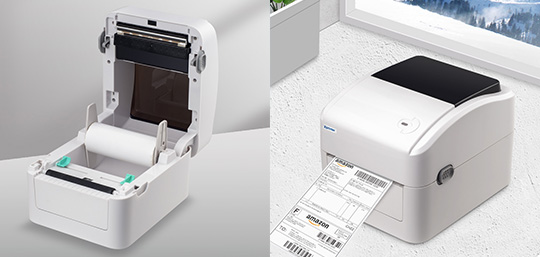

Choosing the right receipt printer is an important decision for businesses that depend on fast and accurate transaction processing. Retail stores, restaurants, cafes, and service providers need printing equipment that can handle daily workloads while maintaining reliable performance.
Before making a purchase, businesses should evaluate their operational needs, budget, and future requirements. Many companies compare options such as Xprinter Thermal Receipt Printer to find a suitable solution for their POS and receipt printing needs. Understanding key buying factors helps ensure a better long-term investment.
1. Understand Your Business Printing Needs
The first step is identifying how the printer will be used. Different businesses require different printing capabilities.
Consider whether you need the printer for:
- Retail receipts
- Restaurant orders
- Customer invoices
- Payment confirmations
- Service tickets
Knowing your main purpose helps you choose a printer that matches your daily operations.
2. Check Printing Speed Requirements
Printing speed is important for businesses that process many transactions. A slow printer can create delays at checkout counters and affect customer satisfaction.
Before buying, check the printer’s speed specifications and make sure it can handle your expected transaction volume, especially during busy periods.
3. Evaluate Print Quality
Clear receipts are important for customers and businesses. Poor print quality can make important information difficult to read.
When selecting a thermal receipt printer, consider:
- Text clarity
- Barcode readability
- Print consistency
- Resolution quality
A printer with reliable output helps reduce errors and improves professionalism.
4. Consider Compatibility With Your POS System
A receipt printer should work smoothly with your existing business software and hardware.
Check compatibility with:
- POS systems
- Payment terminals
- Inventory software
- Operating systems
Proper compatibility reduces setup issues and allows employees to process transactions more efficiently.
5. Review Connectivity Options
Different businesses have different installation requirements. Choosing the right connectivity option ensures easier integration.
Common connection types include:
- USB
- Ethernet
- Wi-Fi
- Bluetooth
- Serial connection
Consider your current setup and whether you may need additional flexibility in the future.
6. Look at Printer Size and Design
Workspace availability is an important consideration, especially for small businesses.
A compact printer can be beneficial for:
- Small retail counters
- Restaurant stations
- Reception desks
- Mobile service locations
Choosing the right size helps maintain an organized and efficient workspace.
7. Compare Maintenance Requirements
A printer that is easy to maintain can save time and reduce operational interruptions.
Look for features such as:
- Simple paper replacement
- Easy cleaning process
- Durable components
- Accessible support resources
Low-maintenance equipment is especially valuable for businesses without dedicated technical staff.
8. Consider Long-Term Operating Costs
The purchase price is only one part of the total investment. Businesses should also evaluate ongoing expenses.
Important cost factors include:
- Thermal paper usage
- Maintenance requirements
- Replacement parts
- Energy consumption
- Expected lifespan
A printer with good long-term value can provide better benefits over time.
9. Check Durability and Workload Capacity
Businesses should choose a printer that can handle their expected workload. A device designed for occasional use may not perform well in high-demand environments.
Consider:
- Daily print volume
- Operating conditions
- Expected usage frequency
- Product durability
Selecting a suitable model helps maintain consistent performance.
10. Think About Future Business Growth
Business requirements often change as companies expand. A printer that supports future needs can prevent the need for early replacement.
Consider whether you may need:
- Higher printing capacity
- Additional connectivity options
- More advanced features
- Multiple printer setups
Planning ahead helps protect your investment.
Questions to Ask Before Buying
Before finalizing your purchase, ask:
- Does the printer meet my daily printing requirements?
- Is it compatible with my current POS system?
- Are replacement supplies easy to find?
- Is maintenance simple?
- Can it support future business growth?
Answering these questions helps businesses make a more informed decision.
Conclusion
Buying a thermal receipt printer requires careful consideration of speed, compatibility, print quality, maintenance, and long-term costs. By evaluating business requirements and comparing available options, companies can select a solution that supports efficient daily operations.
The right receipt printer can improve transaction speed, reduce workflow problems, and provide reliable performance for years of business use.

