
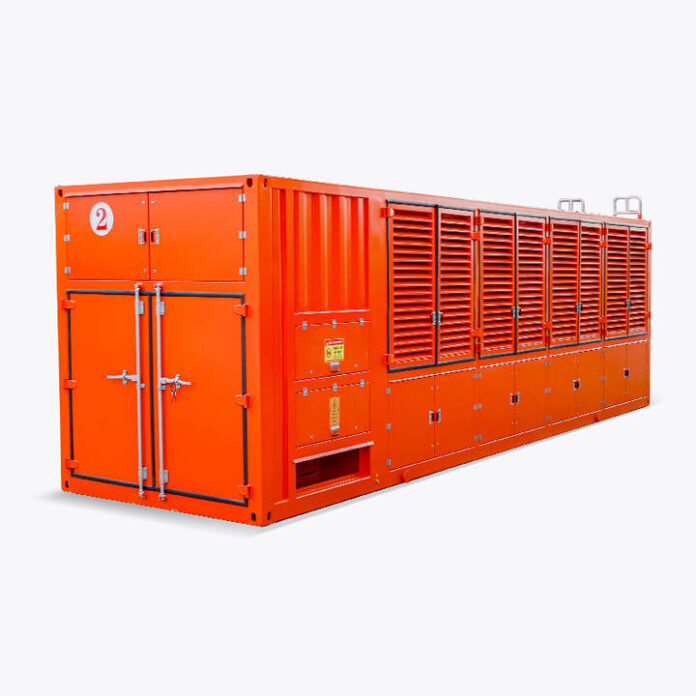

Power factor is one of the most important measurements in electrical power systems because it directly affects the efficiency, stability, and performance of generators, transformers, UPS systems, and other electrical equipment. When testing these systems, using only a resistive load does not accurately represent real operating conditions. This is why an RLC load bank manufacturer develops advanced load banks that combine resistive, inductive, and capacitive loads to simulate real-world electrical demands.
Power factor testing allows engineers to evaluate how electrical equipment performs under different load conditions, ensuring reliable operation before equipment is placed into service. Understanding how power factor testing works and why it is important can help organizations improve system reliability and operational efficiency.
What Is Power Factor?
Power factor measures how effectively electrical power is converted into useful work. It is the ratio between real power (measured in kilowatts) and apparent power (measured in kilovolt-amperes).
A power factor close to 1.0 indicates that electrical equipment is operating efficiently, while a lower power factor means more reactive power is present in the system, reducing overall efficiency.
Many industrial loads, such as electric motors, transformers, compressors, and HVAC systems, create inductive or capacitive effects that influence power factor.
Why Power Factor Testing Matters
Power systems rarely operate under purely resistive loads. Most facilities contain equipment that creates varying power factors throughout daily operation.
Power factor testing helps engineers:
- Evaluate generator performance
- Verify voltage stability
- Measure frequency response
- Confirm equipment efficiency
- Identify reactive power issues
- Improve overall system reliability
Without realistic power factor testing, hidden performance problems may remain undetected.
How an RLC Load Bank Performs Power Factor Testing
Unlike resistive load banks, an RLC load bank manufacturer designs equipment that combines three different types of electrical loads:
- Resistive loads simulate equipment that converts electrical energy directly into heat.
- Inductive loads simulate motors, transformers, pumps, and similar equipment.
- Capacitive loads simulate systems that improve or influence power factor, such as capacitor banks and certain electronic equipment.
By adjusting these three load types, engineers can reproduce the same operating conditions found in actual industrial power systems.
Simulating Real Operating Conditions
Modern facilities rarely operate at a perfect power factor. Instead, electrical loads continuously change depending on operating conditions.
An RLC load bank allows engineers to simulate:
- Lagging power factor
- Leading power factor
- Mixed electrical loads
- Variable operating conditions
- Dynamic load changes
This realistic simulation produces much more accurate testing results than resistive-only testing.
Improving Generator Performance Evaluation
Generators must deliver stable voltage and frequency while supplying loads with different power factors.
Power factor testing allows engineers to verify:
- Voltage regulation
- Frequency stability
- Reactive power capability
- Load acceptance
- Overall generator efficiency
A professional RLC load bank manufacturer designs equipment that enables comprehensive generator testing before installation or during routine maintenance.
Supporting UPS System Testing
UPS systems protect critical equipment during power interruptions. Their performance must be verified under realistic operating conditions.
Power factor testing helps evaluate:
- Inverter performance
- Battery support capability
- Output stability
- Load transfer response
- Overall system efficiency
Testing with realistic power factors ensures the UPS performs reliably during actual emergencies.
Identifying Hidden Electrical Problems
Some electrical issues only appear when reactive loads are introduced into the system.
Power factor testing can reveal:
- Voltage instability
- Frequency fluctuations
- Generator overheating
- Poor load-sharing performance
- Control system deficiencies
- Inefficient reactive power management
Early detection allows corrective action before equipment failures occur.
Advanced Digital Monitoring
A modern RLC load bank manufacturer integrates intelligent monitoring systems into its products.
Operators can monitor important electrical parameters, including:
- Voltage
- Current
- Frequency
- Real power
- Apparent power
- Reactive power
- Power factor
- Temperature
Real-time monitoring provides detailed performance data throughout the testing process.
Supporting Multiple Industries
Power factor testing is valuable across numerous industries where dependable electrical systems are essential.
Industries that benefit include:
- Power generation
- Data centers
- Manufacturing
- Healthcare
- Renewable energy
- Oil and gas
- Marine
- Utility companies
Each industry relies on accurate testing to maintain reliable and efficient power infrastructure.
Benefits of Working with an Experienced Manufacturer
Choosing a trusted RLC load bank manufacturer provides more than high-quality equipment.
Experienced manufacturers offer:
- Accurate load simulation
- Advanced control systems
- Customizable testing solutions
- Comprehensive safety features
- Technical support
- Installation guidance
- Long-term maintenance assistance
These services help customers maximize testing accuracy while improving equipment reliability.
Best Practices for Power Factor Testing
To achieve accurate results, organizations should:
- Select an RLC load bank that matches system requirements.
- Follow recommended testing procedures.
- Monitor electrical parameters throughout the test.
- Verify equipment performance under different power factor conditions.
- Perform routine testing as part of preventive maintenance.
- Keep testing records for future analysis.
Following these practices helps maintain reliable power systems and reduces the risk of unexpected failures.
Conclusion
Power factor testing is an essential part of comprehensive electrical system evaluation because it measures how equipment performs under realistic operating conditions. An experienced RLC load bank manufacturer provides advanced load banks that combine resistive, inductive, and capacitive loads to accurately simulate real-world power demands. This enables engineers to evaluate generators, UPS systems, transformers, and other critical equipment with greater precision, identify hidden performance issues, and improve overall system reliability. By investing in high-quality RLC load bank solutions, organizations can enhance operational efficiency, reduce downtime, and ensure dependable performance across a wide range of industrial applications.

