
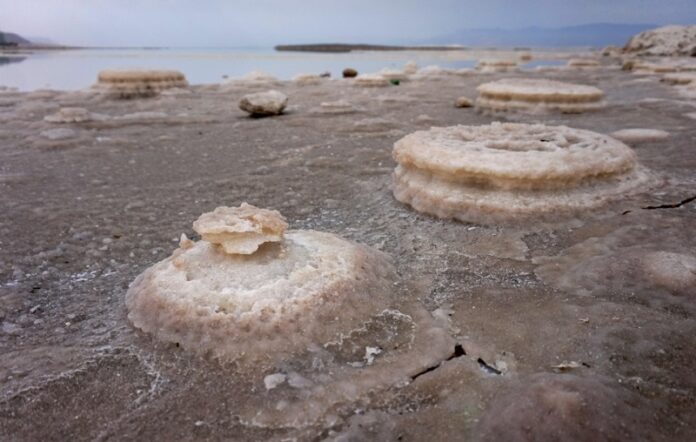

The Dead Sea, a natural marvel situated in the heart of the Middle East, is renowned for its extreme salinity and unique environmental conditions. While its mineral-rich waters offer a captivating sight for visitors, they also create a highly challenging environment for aquatic life. In this exploration, we delve into the reasons why fish find it so difficult to survive in this extraordinary body of water.
Understanding the Dead Sea’s Unique Environment
To grasp why fish have such a tough time in the Dead Sea, it’s crucial to understand the distinctive characteristics of this salt lake. The Dead Sea’s salinity levels reach an astonishing 30%, making it nearly ten times saltier than typical seawater. This high salinity results from the lake’s lack of outlets, which leads to the accumulation of minerals. Additionally, the Dead Sea’s waters contain high concentrations of toxic minerals like magnesium and potassium. These conditions, coupled with low dissolved oxygen levels, create a harsh and unwelcoming environment for most aquatic life.
The Impact of Extreme Salinity on Fish
One of the primary challenges fish face in the Dead Sea is osmotic stress. Osmosis is the process by which water moves across cell membranes to balance fluid levels within an organism. In the hyper-saline waters of the Dead Sea, this natural process becomes problematic. Fish cells lose water to the surrounding environment, leading to dehydration and difficulty maintaining essential bodily functions. The constant battle to manage this imbalance places significant strain on fish, making survival in such conditions incredibly tough.
Limited Food Sources and Their Effects
Another significant hurdle for fish in the Dead Sea is the scarcity of food sources. The extreme salinity and unique chemical makeup of the Dead Sea limit the diversity of marine life, resulting in a minimal food supply for fish. Without a sufficient variety of nutrients, fish struggle to meet their dietary needs. This lack of food not only affects their overall health but also hampers their ability to thrive in this challenging environment.
Oxygen Levels: A Major Concern
Oxygen is vital for fish survival, as they rely on dissolved oxygen in water for respiration. However, the high salinity of the Dead Sea affects the solubility of oxygen, making it more difficult for fish to extract this essential element. With reduced oxygen levels, fish face an additional layer of stress, compounding the challenges of living in such a saline environment.
The Effect of Water Level Fluctuations
The Dead Sea’s water levels fluctuate due to various factors, including climate change, evaporation, and human water usage. These fluctuations can alter the concentration of salts and minerals in the water, creating an even more unpredictable environment. Rapid changes in water composition make it difficult for fish to adapt, further complicating their survival in the Dead Sea.
Evolutionary Adaptations and Extremophiles
Despite the harsh conditions, certain microorganisms, such as bacteria and archaea, have evolved to thrive in the Dead Sea. These extremophiles have developed remarkable adaptations that allow them to withstand the high salinity and unique chemical composition of the water. Their survival in such an extreme environment highlights the resilience of life and the ability of organisms to find niches even in the most hostile conditions.
Human Impact and Additional Stressors
Human activities add another layer of complexity to the Dead Sea’s ecosystem. Agricultural runoff, pollution, and other forms of environmental degradation introduce contaminants and additional stressors into the already fragile environment. These human-induced changes exacerbate the difficulties faced by fish and other organisms, further disrupting the delicate balance of the Dead Sea’s ecosystem.
Conclusion: The Struggle for Survival
The Dead Sea’s extreme salinity and unique chemical environment present a range of challenges for fish. From osmotic stress and limited food sources to reduced oxygen levels and fluctuating water conditions, the obstacles are numerous and intricate. Understanding these challenges is crucial not only for appreciating the resilience of life in the Dead Sea but also for addressing the broader implications of human impact on this extraordinary ecosystem. The Dead Sea stands as a testament to the complexities of life and the remarkable adaptations that allow certain organisms to persevere in even the most inhospitable environments.

