

Accurate water testing is essential across industries, from environmental monitoring and agriculture to municipal water treatment and aquaculture. pH levels influence chemical reactions, biological activity, and overall water quality, making reliable measurement a top priority. Traditional analog pH meters have served this purpose for decades, but the advent of digital pH sensors has revolutionized water testing by providing greater precision, consistency, and ease of use.
Digital pH sensors offer several advantages over their analog counterparts. They convert the chemical signal from the sensor electrode into a digital reading, which can be easily displayed, recorded, and analyzed. This minimizes human error associated with reading analog scales or interpreting colorimetric tests. Furthermore, digital sensors are often designed for integration with automated systems, enabling continuous monitoring and real-time water quality analysis.
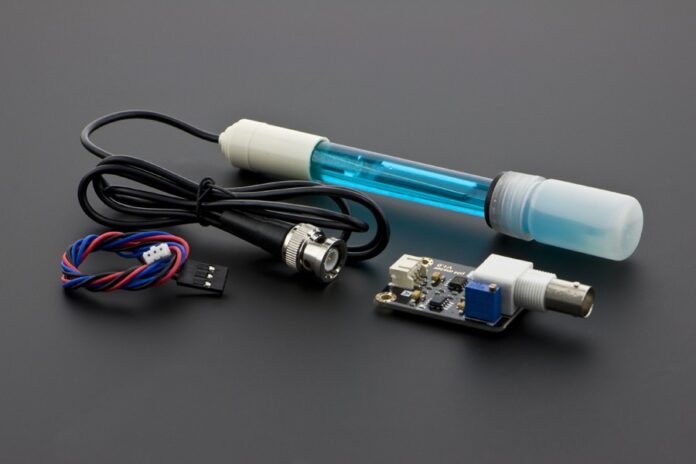
A pH Sensor for Water provides accurate digital readings of water acidity or alkalinity, which is crucial for timely decision-making in critical applications. Continuous digital monitoring allows operators to detect changes instantly, preventing potential damage to equipment, optimizing chemical usage, and ensuring safe and reliable water for consumption or industrial processes.
Enhanced Accuracy and Reliability
One of the primary benefits of digital pH sensors is their accuracy. High-quality digital sensors provide precise readings with minimal deviation, even in complex water matrices or challenging environmental conditions. Many devices also feature automatic temperature compensation, which corrects for the influence of water temperature on pH measurements, ensuring that results are consistently reliable.
Digital sensors reduce operator error by eliminating manual interpretation of measurements. Readings are displayed in clear numerical formats, and many sensors include data logging functions that track historical trends. This feature is particularly valuable for regulatory compliance, process optimization, and long-term water quality management.
Real-Time Monitoring and Automation
Digital pH sensors enable real-time monitoring, which is essential for both industrial and environmental applications. Continuous data collection allows operators to respond immediately to pH fluctuations, preventing issues such as corrosion, scaling, or inadequate disinfection. Integration with automated dosing systems or control networks ensures that corrective measures are applied without delay, improving operational efficiency.
In water treatment facilities, digital sensors support automated control of chemical dosing, optimizing the use of acids, bases, or disinfectants. Similarly, in aquaculture, continuous monitoring allows farmers to maintain stable water conditions that promote healthy fish growth. Real-time data helps identify problems early, reducing the risk of damage to equipment, crops, or aquatic life.
Durability and Low Maintenance
Modern digital pH sensors are designed for durability in various water conditions, including industrial effluents, agricultural runoff, and natural water bodies. Many sensors feature robust electrodes and protective housings that withstand harsh environments. Additionally, digital sensors typically require less frequent calibration and maintenance compared to analog systems, making them more convenient for long-term use.
The reduced maintenance requirements also translate into lower operating costs. Facilities can rely on continuous, accurate measurements without the constant need for manual testing or recalibration. This efficiency is particularly beneficial for large-scale water systems or remote monitoring applications.
Data Management and Analysis
Digital pH sensors often include advanced features such as data logging, wireless communication, and compatibility with cloud-based monitoring platforms. These capabilities allow operators to collect, store, and analyze water quality data efficiently. Historical data can reveal trends, identify recurring issues, and support predictive maintenance.
Integration with monitoring platforms enables centralized control of multiple sensors across different locations, providing a comprehensive view of water quality. This data-driven approach improves decision-making, enhances compliance reporting, and facilitates proactive water management strategies.
Applications Across Industries
Digital pH sensors are versatile and widely applicable:
- Environmental Monitoring: Tracks water quality in rivers, lakes, and reservoirs to protect ecosystems.
- Municipal Water Treatment: Ensures safe drinking water and regulatory compliance.
- Industrial Processes: Maintains optimal pH for chemical reactions, cooling systems, or wastewater treatment.
- Agriculture and Aquaculture: Supports healthy crop and aquatic life through precise water management.
In all these scenarios, the benefits of digital pH sensors—accuracy, real-time monitoring, and ease of data management—enhance operational efficiency and reliability.
Conclusion
Digital pH sensors for water testing offer a significant upgrade over traditional measurement methods. By providing accurate, real-time, and reliable readings, these sensors improve water quality management, optimize chemical usage, and support regulatory compliance. Their durability, low maintenance, and integration with data management systems make them invaluable tools in industries ranging from environmental monitoring to agriculture and municipal water treatment. Embracing digital pH technology ensures more efficient, safe, and sustainable water monitoring practices.

