
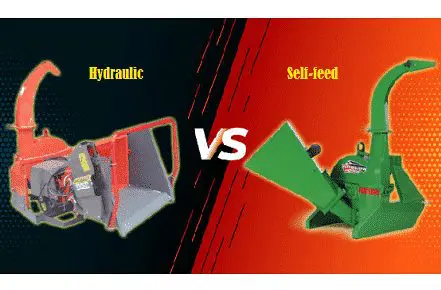

Efficient wood processing is essential in forestry, landscaping, and commercial yard maintenance. Handling large volumes of branches and logs manually can be labor-intensive, time-consuming, and hazardous. A Hydraulic Feed Wood Chipper offers a modern solution by automating the feeding process and ensuring consistent, high-performance wood chipping. This equipment not only increases efficiency but also reduces labor and enhances safety during large-scale wood processing operations.
One of the key advantages of a Hydraulic Feed Wood Chipper is its automated feeding system. Unlike traditional chippers, which rely on manual feeding, hydraulic feed chippers use hydraulic mechanisms to pull branches and logs into the blades consistently. This feature ensures steady processing, reduces the risk of jams, and allows operators to handle larger and heavier materials with minimal effort. For forestry teams and landscaping contractors, this translates into higher productivity and more efficient use of manpower.
Key Features of a Hydraulic Feed Wood Chipper
Hydraulic feed wood chippers are designed for heavy-duty performance, safety, and convenience. Their primary feature is the hydraulic feed system, which automatically pulls material into the cutting mechanism at a controlled rate. This system prevents overloading, reduces blade wear, and maintains uniform output.
The machine is equipped with sharp blades or hammers that can process branches, logs, and yard debris efficiently. Adjustable settings allow operators to control chip size according to the intended application, whether for mulch, compost, or biomass fuel. The machines are powered by gasoline, diesel, or electric engines, depending on the model, ensuring the necessary force to handle tough wood efficiently.
Safety is a critical component, with features such as emergency stop buttons, protective feed chutes, and sensors that detect jams or improper feeding. The design reduces the risk of injury and ensures smooth operation even under continuous heavy-duty use.
Benefits of Using a Hydraulic Feed Wood Chipper
1. Increased Efficiency: The automated feeding system allows continuous processing of branches and logs without manual intervention, significantly improving productivity and reducing operational time.
2. Consistent Output: Hydraulic feed chippers produce uniform wood chips, which are ideal for mulching, composting, or bioenergy production. Consistent output improves usability and simplifies downstream applications.
3. Reduced Labor and Physical Strain: Manual feeding of heavy branches can be exhausting and potentially dangerous. The hydraulic system minimizes physical effort and reduces operator fatigue, making the wood chipping process safer and more manageable.
4. Versatility: Hydraulic feed wood chippers are suitable for a variety of materials, from softwood branches to dense hardwood logs. This versatility allows them to be used in forestry, municipal maintenance, landscaping, and commercial yard operations.
Applications in Wood Processing
Hydraulic feed wood chippers are widely used in professional landscaping, municipal waste management, and forestry operations. Landscaping companies rely on them to process tree trimmings and yard debris efficiently, reducing cleanup time and converting waste into useful materials.
Municipalities use hydraulic feed chippers to manage public green waste, including storm debris and park maintenance residues. The resulting wood chips can be repurposed for mulch, compost, or biomass fuel, supporting sustainable urban landscaping practices.
Forestry and timber operations benefit from these machines by processing large logs and branches into uniform chips suitable for bioenergy, mulch, or soil enrichment. The automated feed system ensures high throughput while minimizing downtime and labor costs.
Maintenance and Safety Considerations
To ensure optimal performance, regular maintenance is essential. Inspect blades, hydraulic systems, and feed rollers periodically, clean debris from the machine after each use, and follow the manufacturer’s guidelines for lubrication and replacement of worn components. Proper maintenance prolongs the machine’s lifespan and ensures reliable operation.
Safety should always be a priority. Operators should wear protective gloves, eyewear, and sturdy footwear. Avoid wearing loose clothing, and never attempt to clear jams while the machine is running. Following operational guidelines ensures safe and efficient wood processing.
Conclusion
A Hydraulic Feed Wood Chipper significantly enhances wood processing efficiency for landscaping, forestry, and municipal projects. Its automated feeding system, durability, and versatile capabilities reduce labor, improve output consistency, and increase overall productivity. By converting branches and logs into usable wood chips safely and efficiently, this machine is an essential tool for modern wood processing operations.

