
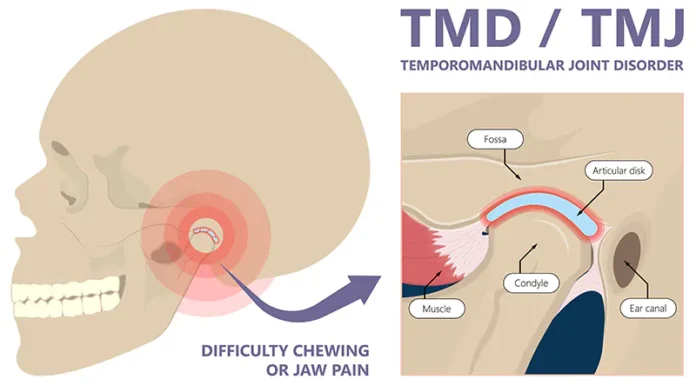

Temporomandibular disorders, commonly referred to as TMD, can cause a variety of symptoms affecting the jaw, face, and surrounding areas. Early recognition and intervention are essential for preventing long-term discomfort and functional problems. Understanding the key symptoms can help individuals determine when to seek professional care and implement effective treatment strategies.
If you are experiencing persistent jaw discomfort, consulting a specialist for Tmd treatment ensures accurate diagnosis and personalized care. Experts in this field provide targeted therapies that address the root cause of the disorder, offering relief from pain, improved jaw mobility, and long-term management strategies. Early intervention often leads to better outcomes and prevents the progression of symptoms.
1. Jaw Pain or Tenderness
One of the most common signs of TMD is persistent pain or tenderness in the jaw muscles. This discomfort may worsen when chewing, speaking, or yawning. Individuals may also notice soreness around the temples, cheeks, or near the ears. Identifying this symptom early allows for timely treatment to prevent muscle fatigue and reduce the risk of chronic pain.
2. Difficulty or Discomfort While Chewing
Experiencing pain or discomfort when chewing is another key indicator of TMD. Some individuals notice that certain foods or chewing motions aggravate their jaw, leading to discomfort or stiffness. Professional evaluation can determine whether the issue is related to muscle strain, joint inflammation, or structural misalignment, guiding appropriate treatment options.
3. Clicking, Popping, or Grinding Sounds
Audible sounds such as clicking, popping, or grinding when opening or closing the mouth are common signs of TMD. These noises may indicate issues with the temporomandibular joint itself or misalignment of the jaw. While occasional sounds can be harmless, frequent or painful occurrences should prompt consultation with a specialist to prevent further complications.
4. Limited Jaw Movement or Locking
Difficulty opening or closing the mouth, or experiencing episodes where the jaw locks in an open or closed position, is a serious symptom of TMD. Restricted movement can interfere with speaking, eating, and daily activities. Professional assessment ensures that the condition is managed effectively, often combining physical therapy, oral devices, or other interventions to restore normal function.
5. Headaches and Facial Pain
Frequent headaches, particularly around the temples or behind the eyes, may be associated with TMD. Muscle tension in the jaw can radiate to the head and neck, contributing to discomfort and fatigue. Identifying the connection between jaw function and headaches allows for targeted treatments that reduce both jaw pain and secondary symptoms.
6. Ear-Related Symptoms
TMD can also manifest as ear pain, ringing (tinnitus), or a feeling of fullness in the ears. These symptoms occur because the temporomandibular joint is located near the ear canal and shares neural pathways with ear structures. Persistent ear discomfort without infection should prompt evaluation by a qualified professional to rule out TMD and initiate appropriate care.
Conclusion
Recognizing the key symptoms of TMD is essential for timely intervention and effective management. Jaw pain, difficulty chewing, clicking or popping sounds, limited movement, headaches, and ear-related discomfort are all important indicators to watch for.

